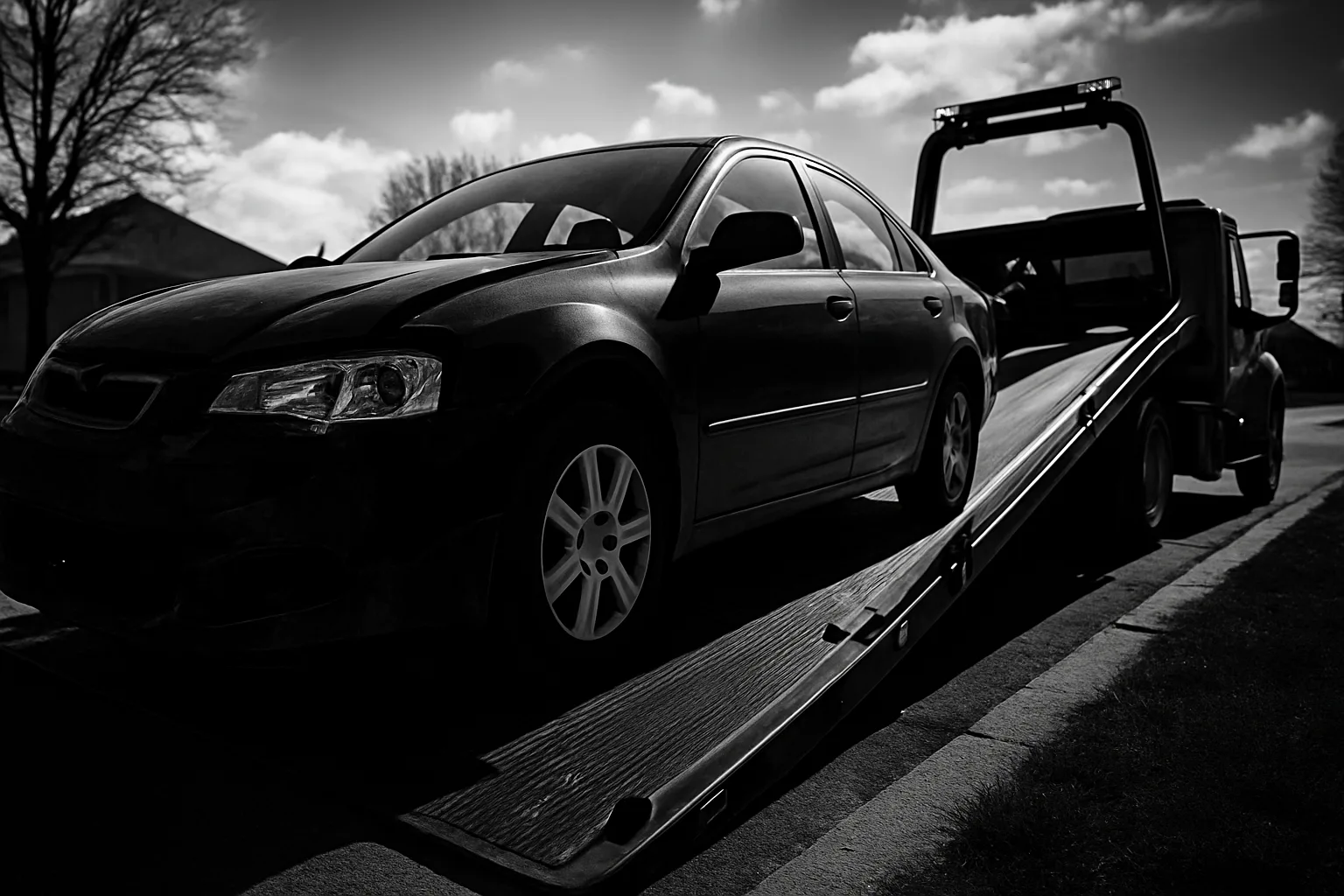
Your car got wrecked. The insurance company totaled it. Now what? If you're sitting on a damaged vehicle and wondering whether it's worth anything, the answer is almost always yes — even if it's crushed, flooded, or rolled. Accident-damaged vehicles still carry real scrap value, and in many cases, you can walk away with cash in hand without paying a dime for pickup. This guide breaks down exactly how to scrap an accident-damaged car, what it's worth, and how to avoid leaving money on the table.
Whether you're in Detroit dealing with a winter collision or anywhere else across the United States, the process is more straightforward than most people expect. If you've been searching for free scrap car pickup Detroit, this guide is written for you.
What Happens to an Accident-Damaged Car at the Scrap Yard?
When a wrecked vehicle rolls into a recycling facility, it doesn't just get crushed. Yards work through a vehicle in stages — and each stage has value. First, fluids get drained: oil, coolant, transmission fluid, refrigerant. Those get processed separately. Then salvageable parts get pulled — doors, engines, transmissions, airbag modules, catalytic converters. What's left gets shredded and sorted by metal type.
Steel makes up the bulk of most passenger vehicles — typically between 1,500 and 2,500 pounds depending on the make and model. Aluminum components (wheels, engine blocks, radiators) get separated because they carry a higher value per pound than steel. Copper wiring harnesses, sensors, and small electronics round out the non-ferrous material. The point is: even a car that looks like a total write-off still has real metal value underneath the damage.
- Body panels and frame steel — shredded and sold as bulk ferrous scrap
- Catalytic converter — one of the most valuable components, containing platinum group metals
- Aluminum wheels and engine parts — separated as clean or mixed aluminum
- Copper wiring — stripped and baled as bare bright or insulated copper
- Battery — lead-acid batteries have their own scrap market
Understanding this breakdown matters because it helps you ask the right questions when you get a quote. A yard that only quotes you on steel weight is leaving the rest of the value on the table — and pocketing it themselves.
What Your Wrecked Car Is Actually Worth in 2026
Scrap metal prices fluctuate with global commodity markets, so any number you see online may already be outdated by the time you read it. That said, the general framework for pricing a wrecked vehicle stays consistent. A fully stripped shell is worth less than an intact vehicle with the engine and cats still in. A rear-end collision with a functioning drivetrain is worth more than a front-end hit that destroyed the engine. Condition matters, even in scrap.
Factors that affect what a junk car buyer will pay for your accident-damaged vehicle:
- Vehicle weight — heavier vehicles (trucks, SUVs) carry more steel and generally fetch more
- Catalytic converter status — intact cats can be worth hundreds of dollars on their own
- Engine condition — a running or rebuildable engine adds resale value beyond scrap
- Location — yards in Michigan and the Midwest often have competitive demand due to dense industrial infrastructure
- Current ferrous and non-ferrous metal prices — these shift weekly based on global demand
- Whether the title is clear — a clean title typically speeds up the sale and may improve your offer
The single biggest mistake people make is calling one yard, accepting the first offer, and assuming that's the market rate. It isn't. That's just one buyer's number — on one day — without competition. More on that below.
Disclaimer: Scrap metal and vehicle prices fluctuate based on commodity markets and local demand. Always check current rates before accepting an offer.
How Free Scrap Car Pickup Works — and What to Watch For
Free pickup is standard in the junk car removal Detroit market and most major U.S. cities. The yard or buying service sends a tow truck, loads the vehicle, and pays you on the spot — no towing invoice, no hidden fees. But "free" doesn't mean there's nothing to negotiate. Some buyers quote a higher price upfront, then reduce it at pickup citing "condition discrepancies." Others charge for same-day service or documentation processing.
Here's what to confirm before you agree to anything:
- Is towing truly included with no deductions at pickup?
- Is the quote locked in, or subject to change once they see the vehicle?
- How quickly can they pick up — same day, next day, within the week?
- Do they handle title transfer, or do you need to complete paperwork separately?
- Will they pay cash on pickup, or is it a check or e-transfer?
In Detroit, there are dozens of yards and buyers competing for wrecked vehicles. That competition is your leverage — use it. Get at least two or three quotes before you commit. Better yet, use a platform that does the competition for you. Services like SMASH Scrap — where verified buyers bid on your metal bring multiple vetted buyers to the table, so you're not just accepting the first number a single yard throws at you.
If you want to sell your car for cash in the USA without the runaround, the process should take less than 24–48 hours from quote to pickup in most metro areas, including Detroit.
Documents You Need to Scrap an Accident-Damaged Car
Paperwork is where a lot of people get tripped up — especially when a vehicle has been in an accident. If your car was declared a total loss by your insurance company, the title situation may be more complicated than a straightforward private sale. Here's how to approach it.
If insurance paid out and took the title: The insurer now owns the vehicle. You'll need to confirm whether you retained the right to sell it or whether the salvage title is in their name. In many cases, you can buy back the salvage title from the insurer for a set amount — then sell the vehicle yourself, often for more than the buyback cost.
If you still hold the title: A standard certificate of title is all you need in most U.S. states. Sign the back, record the odometer reading (required in most states for vehicles under 10 years old), and hand it over at pickup.
If you've lost the title: You can apply for a duplicate through your state's DMV. In Michigan, this is a straightforward process through the Secretary of State office. Some buyers will purchase without a title in certain situations, but expect a lower offer and more paperwork on their end.
Also bring a valid government-issued ID. Some states require a bill of sale in addition to the title. If the vehicle has a lien (loan balance), that needs to be resolved before transfer — the lienholder's name is on the title, and they have to release their interest first.
Why Competition Changes Everything When You Scrap a Car in Detroit
Here's the reality of the single-buyer model: when you call one yard, they know you might call others — but they're betting you won't. Their first offer is rarely their best offer. And when you accept it without pushing back, the difference between their opening number and what they'd actually pay goes straight into their margin.
The smarter move is to create actual competition. That's the core idea behind SMASH — an auction-based platform that puts your vehicle (or the scrap material from it) in front of verified buyers who compete for the load. More buyers means better price discovery. You're not guessing what the market will pay. You're seeing it in real time.
For Detroit scrap metal services, this kind of transparency makes a real difference. Detroit's industrial base means there's genuine demand for ferrous and non-ferrous scrap — yards need material, and competitive pricing reflects that. Don't settle for a single phone call when the market can tell you the real number.
SMASH also handles documentation — photo documentation, inventory tracking, and auto-invoicing — so the process doesn't fall apart in the paperwork stage. That's where a lot of private deals go sideways.
If you're doing this for the first time, read car selling guides that walk through the process step by step before you commit to any buyer.
Step-by-Step: How to Scrap Your Accident-Damaged Car
Ready to move? Here's the clean version of the process:
- Locate your title — or start the duplicate process now if it's missing
- Remove personal belongings — check the glove box, trunk, and under seats
- Cancel your insurance — once the vehicle is sold, you don't need coverage on it
- Get multiple quotes — call at least two or three buyers, or use a platform that generates competitive bids
- Confirm pickup terms — towing included, price locked, payment method
- Prep the car for pickup — accessible location, keys ready, title signed
- Get paid and get a receipt — document the transaction for your records
- Notify your DMV — in Michigan and most U.S. states, you can file a Notice of Transfer to protect yourself from future liability
That's it. For most accident-damaged vehicles in the Detroit area, this entire process can wrap up within 48 hours if you have your paperwork in order.
Whether your car was rear-ended on I-75, flooded in a basement, or rolled on a back road, there's a buyer for it. Get a free car valuation and see what your wrecked vehicle is worth before you make any decisions. The scrap and salvage market in 2026 remains active — don't let your vehicle sit and depreciate further when you can turn it into cash this week.
Frequently Asked Questions
Q: Can I get free scrap car pickup in Detroit even if my car was totaled in an accident?
Yes. A totaled vehicle still contains valuable scrap metal — steel, aluminum, copper, and potentially an intact catalytic converter. Most junk car buyers in Detroit offer free towing as part of the deal. Confirm that towing is included before you accept any offer, and make sure the quoted price won't be adjusted at pickup.
Q: Do I need a title to scrap an accident-damaged car in Michigan?
In most cases, yes. Michigan law requires a title for vehicle transfer. If your title was surrendered to an insurance company after a total loss, you may need to buy back the salvage title before selling. If you've lost your title, apply for a duplicate through the Michigan Secretary of State — it's a straightforward process that typically takes a few days.
Q: How long does junk car removal take in Detroit?
Most buyers in the Detroit area can complete pickup within 24–48 hours of an accepted offer, sometimes same day. Timing depends on your location, the buyer's schedule, and whether your paperwork is ready. Having your title and ID on hand speeds things up significantly.
Q: What if my wrecked car has a loan on it — can I still scrap it?
You can, but the lien needs to be resolved first. The lienholder's name appears on the title, and they have to release their interest before you can transfer ownership. Contact your lender, confirm the payoff amount, and ask for a lien release once the balance is cleared. Some buyers will work with you through this process, but it adds time.
Q: How do I know I'm getting a fair price for my accident-damaged vehicle?
The best way is to get multiple offers and let buyers compete. A single quote from one yard is just one data point — it may not reflect what the market will actually pay. Platforms like SMASH bring verified buyers together in a competitive format, which gives you a clearer picture of real market value. Scrap prices fluctuate, so always check current rates and don't accept the first number you hear.
If you're ready to stop guessing and start getting real offers, sell your car for cash in the USA — cashforcars-usa.com makes it easy to get a free quote, no pressure, no runaround. Your wrecked car is worth something. Find out how much.
Stay up to date on scrap metal market conditions and industry insights — follow SMASH on LinkedIn for regular updates from the recycling industry.
```