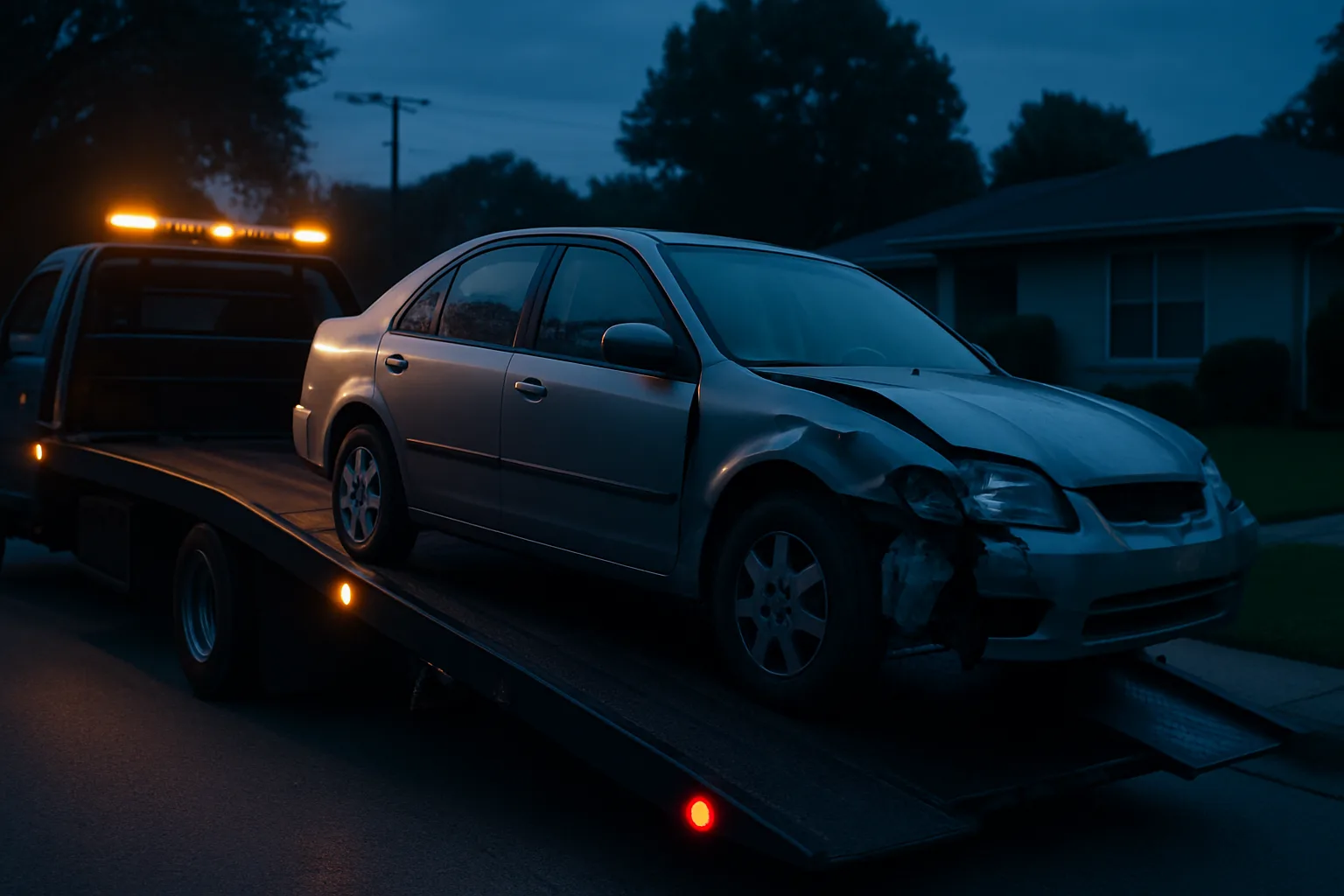
Your Car Left the Driveway — Here's Exactly What Happens Next
Most people hand over their keys, pocket their cash, and never think twice about where that old vehicle goes. But if you've ever wondered what actually happens after a cash for cars Fort Lauderdale pickup — the real process, step by step — you're about to find out. It's more systematic than you'd expect, and understanding it helps you make smarter decisions when you're ready to sell.
The auto recycling industry processes tens of millions of vehicles every year across the United States. That rusty sedan sitting in your driveway isn't just junk. It's a source of reusable parts, recoverable fluids, and hundreds of pounds of metal that will re-enter the supply chain. Nothing useful goes to waste — or at least, it shouldn't.
Step One: The Receiving Yard and Initial Assessment
When your car arrives at a recycling facility, the first thing that happens is intake processing. Yard staff log the vehicle — VIN, make, model, year, condition notes — into their inventory system. This data matters. It determines how the car gets routed and what it's worth to the operation.
From there, a trained technician does a quick visual and mechanical triage. They're asking a few basic questions:
- Are there high-demand parts in good condition — engine, transmission, doors, bumpers?
- Is the drivetrain salvageable, or is this car headed straight to the crusher?
- What's the approximate scrap metal yield if stripped down?
- Are there any catalytic converters attached? (More on that in a moment.)
Florida yards process a massive volume of end-of-life vehicles year-round. The warm climate means less rust than northern states, which often makes Florida cars more attractive for used parts — even older models still have body panels and interior components that hold up well in the heat.
Fluids Out First — Before Anything Else
Before a single part gets pulled, the car goes through depollution. This is non-negotiable, both legally and environmentally. Certified technicians drain and capture every hazardous fluid in the vehicle:
- Engine oil — recycled or re-refined
- Transmission fluid
- Brake fluid
- Power steering fluid
- Coolant / antifreeze
- Gasoline or diesel remaining in the tank
- Air conditioning refrigerant — captured with specialized equipment
- Battery acid from lead-acid batteries
A single end-of-life vehicle can contain anywhere from five to fifteen gallons of hazardous liquids depending on its size and condition. Licensed recyclers in Florida must meet EPA and state environmental standards for fluid capture and disposal. This step alone is a significant operational cost — but it's what separates legitimate recyclers from operators who cut corners.
Mercury switches (found in older pre-2003 vehicles) are also removed at this stage. Small detail, but it matters for environmental compliance.
High-Value Parts Get Pulled Before the Car Is Crushed
Once the car is clean of fluids, skilled dismantlers go to work. The goal is to recover every component that has resale value as a used part before the carcass goes to the shredder. This is where the real money lives in auto recycling.
Parts that typically get pulled first:
- Catalytic converters — contain platinum, palladium, and rhodium. These are high-value and processed separately. The SMASH scrap metal auction marketplace is one platform where recyclers and buyers trade catalytic converters and other non-ferrous scrap competitively, rather than guessing at a price from a single buyer.
- Engines and transmissions — if rebuildable, these can sell for hundreds to thousands of dollars
- Alternators, starters, and AC compressors
- Doors, hoods, and fenders — especially for popular models where collision shops need replacement panels
- Wheels and tires
- Seats, dashboards, and interior trim
- Wiring harnesses
- Glass — windshields and windows
Parts are cleaned, photographed, tagged with the source VIN, and entered into inventory for resale. Modern yards use digital inventory systems that make these parts searchable online — a Fort Lauderdale collision shop might source a door panel from a yard in Tampa without either party making a phone call.
If you want to understand how your car's value gets calculated before it's even picked up, tools like a scrap car value calculator give you a ballpark — but the full picture only becomes clear once a trained eye evaluates what's actually salvageable.
What's Left Goes to the Metal Shredder
After parts are harvested, what remains is the hulk — the bare steel shell of the vehicle, stripped of everything reusable. This hulk gets flattened by a car baler or crusher to reduce its volume for transport, then sent to a shredder facility.
Shredders are industrial-scale machines that reduce the crushed hulk into fist-sized chunks of mixed material in seconds. After shredding, the output is sorted:
- Ferrous metals (steel and iron) — separated magnetically and sold to steel mills as shredded scrap
- Non-ferrous metals (aluminum, copper, zinc, lead) — separated by density using air classifiers and eddy current systems, sold at a premium
- Fluff — the plastic, foam, glass, and fiber residue that remains after metal separation. This is the fraction the industry is still working to reduce and recycle more efficiently.
The ferrous scrap goes to steel mills where it's melted and re-rolled into new steel. A significant portion of all steel produced in the United States contains recycled scrap content. That door you handed over in Fort Lauderdale may eventually come back as rebar, sheet steel, or structural beams.
Scrap metal prices today fluctuate based on mill demand, export markets, energy costs, and global commodity movements. When you sell your car for cash in the USA, the scrap metal value of the vehicle is one component of your offer — but the parts value, market demand, and condition of specific components all factor in too.
How Scrap Metal Pricing Actually Affects Your Cash Offer
Here's something most sellers don't realize: the offer you get when you call a we buy junk cars Fort Lauderdale buyer isn't pulled from thin air. It's built on real-time data — commodity prices for steel and non-ferrous metals, local market demand for used parts, current inventory levels at the yard, and fuel costs for the pickup.
Steel prices swing with global demand. Aluminum prices move with production costs and trade flows. When mill demand is strong, scrap yards pay more for hulks. When mills are sitting on inventory, prices drop. Sellers who understand this dynamic negotiate better.
That's why platforms like SMASH exist — to replace the old single-buyer phone call with competitive, transparent price discovery. Instead of taking the first number someone gives you, SMASH puts your vehicle or scrap material in front of vetted buyers who compete for it. More competition means you see what the market actually says your material is worth.
Whether you're selling one car or managing a fleet of end-of-life vehicles in Florida, get a free car valuation first. Know your baseline before you pick up the phone.
Title Issues, Documentation, and What the Yard Does With Paperwork
One question that comes up constantly: what happens with the title? Or more specifically — what if you don't have one?
Legitimate recyclers and cash for cars no title needed buyers work within state regulations to process vehicles when titles are missing. In Florida, the process typically involves:
- Verifying the vehicle is not reported stolen using the VIN
- Completing a bill of sale that documents the transaction
- Filing for a bonded title or salvage certificate through the Florida DMV if required
- Maintaining records for the required period under Florida's secondhand dealer and recycler laws
The yard keeps documentation on file for every vehicle it processes. Serial numbers, VIN records, seller information, and transaction records are all logged. This protects both the seller and the buyer. If you've lost your title, don't assume your car has no value — a reputable buyer will walk you through the paperwork.
Want more detail on navigating the paperwork side of car sales? Read car selling guides that break down what to expect state by state.
Frequently Asked Questions
Q: How long does the whole process take after my car is picked up in Fort Lauderdale?
Most yards complete the depollution and initial assessment within 24 to 48 hours of receiving the vehicle. Parts dismantling can take anywhere from a few days to a couple of weeks depending on yard capacity and demand. The metal shredding stage happens in batches and varies by facility volume.
Q: Does the condition of my car affect how much I get paid for cash for cars in Fort Lauderdale?
Yes — significantly. A car that runs and has salvageable parts will generate a higher offer than a bare hulk with no reusable components. However, even a completely stripped, non-running vehicle has scrap metal value. Fort Lauderdale buyers factor both parts value and metal yield into every offer.
Q: Can I sell my car for cash if I don't have the title in Florida?
Many buyers do operate on a cash for cars no title needed basis, especially for older vehicles or clear-title situations. Florida has specific procedures for title replacement and bonded titles. A reputable buyer will explain your options and won't leave you stuck. Always get the transaction documented with a bill of sale regardless.
Q: How are scrap metal prices today determined, and do they affect my offer?
Scrap metal prices are driven by mill demand, global commodity markets, and regional supply and demand. They can change week to week. Yes, they directly affect your offer — when steel prices are up, hulk values rise. When they drop, buyers adjust accordingly. Check current rates before you commit to a price. Disclaimer: Metal prices fluctuate constantly — always verify current market rates before finalizing any transaction.
Q: What happens to parts from my car that don't sell?
Parts that don't move as individual components eventually get sold in bulk to downstream recyclers or go to the shredder with the rest of the metal. Yards manage inventory turnover actively — holding slow-moving parts indefinitely isn't practical. Most useful components find a buyer within six to twelve months.
---Your old car doesn't disappear — it gets taken apart, sorted, recycled, and put back into the supply chain in dozens of different forms. That's a system worth understanding, especially if you're sitting on a vehicle in Fort Lauderdale and trying to figure out what it's actually worth. If you're ready to find out, sell your car for cash in the USA and get a real number — no pressure, no guessing.
For ongoing scrap metal market insights and industry updates, follow SMASH on LinkedIn at linkedin.com/company/scrap-metal-auction-sales-hub.