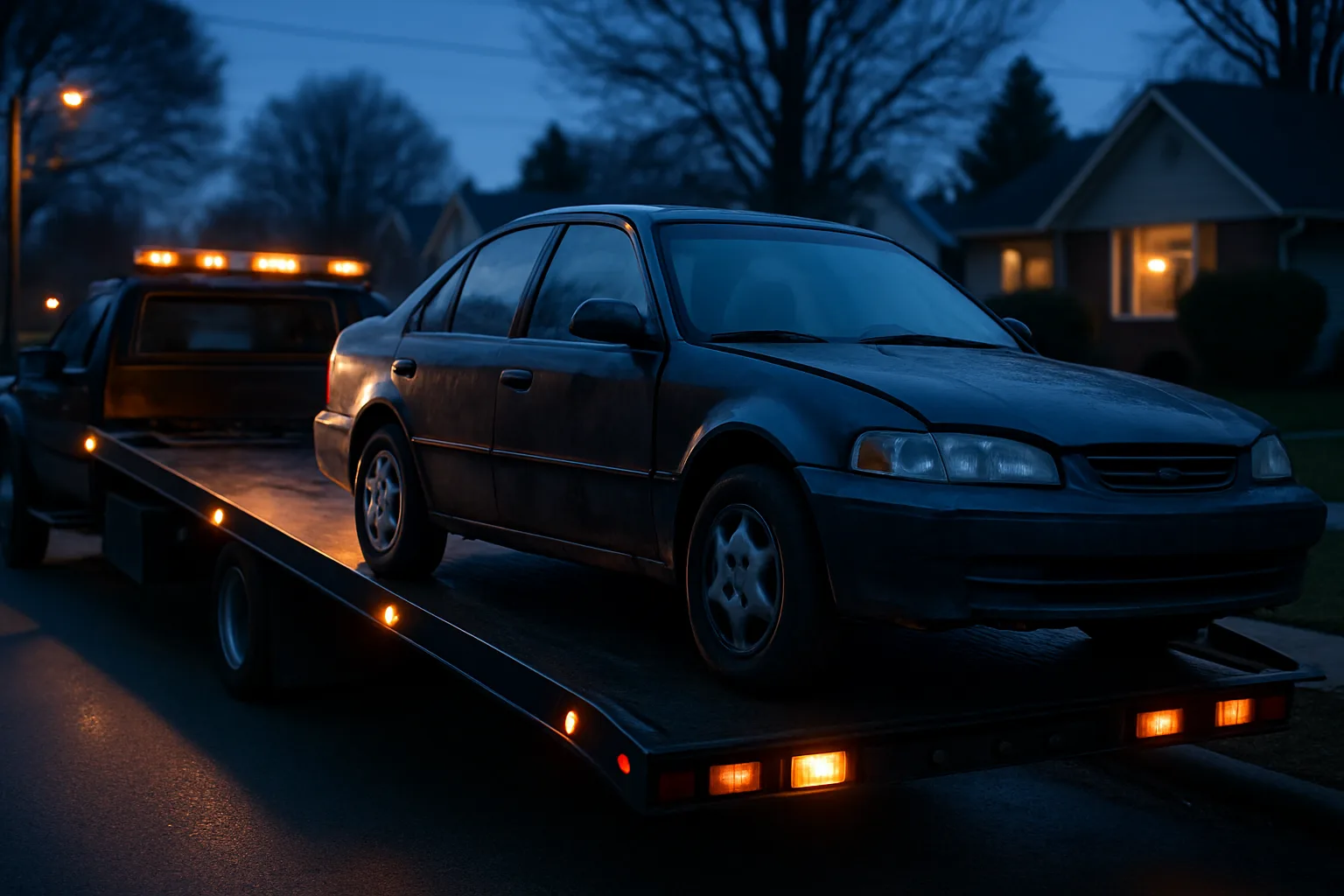
Most people have no idea what actually happens to a junk car after it leaves their driveway. The reality is more interesting — and more valuable — than you'd think.
If you're searching for junk car buyers near me Allentown, you're probably focused on one thing: getting paid fast. That's fair. But understanding what happens to your vehicle after the tow truck leaves can help you make a smarter decision about who you sell to, how much your car is actually worth, and why eco-friendly disposal isn't just a buzzword — it's a real factor in what ends up in your pocket.
In 2026, the scrap metal and vehicle recycling market is under more scrutiny than ever. Environmental regulations have tightened across Pennsylvania and beyond. Buyers are more accountable. And sellers who know what their car contains — and who they're selling to — are the ones coming out ahead. This is your guide to how eco-friendly car disposal works, why it matters for Allentown sellers, and how platforms like SMASH are changing the way junk cars get valued and sold.
What Eco-Friendly Car Disposal Actually Means in 2026
Let's kill the marketing fluff early. Eco-friendly car disposal isn't about carbon offsets or green logos on a tow truck. It's a specific, regulated process for breaking down a vehicle in a way that prevents hazardous materials from entering the environment — and maximizes the recovery of recyclable materials.
Your average junk car contains a surprising number of substances that can't just be dumped. Proper disposal requires licensed facilities that follow EPA guidelines and state-level environmental standards enforced here in Pennsylvania. Here's what needs to be handled:
- Motor oil and transmission fluid — drained and sent to recycling or re-refining facilities
- Coolant (antifreeze) — collected separately, often reclaimed for reuse
- Brake fluid — hazardous, requires proper collection
- Refrigerants (Freon, R-134a, R-1234yf) — recovered using EPA-certified equipment; illegal to vent to atmosphere
- Battery acid — lead-acid batteries are fully recyclable, but mishandled batteries are a serious environmental liability
- Mercury switches — found in older vehicles, require specialized handling
- Airbag propellant — undeployed airbags contain sodium azide, which is explosive and toxic
Only after these materials are properly extracted — a process called depollution — does the vehicle move to dismantling and crushing. Reputable junk car buyers in the USA work exclusively with licensed facilities. If a buyer isn't asking about your vehicle's condition or location, that's worth thinking about. Legitimate operations care about compliance because non-compliance is expensive and legally dangerous for them.
How the Vehicle Recycling Process Works — From Your Driveway to the Shredder
Once a vehicle clears depollution, the actual recycling process begins. This is where your car transforms from a liability into a commodity — and understanding this process tells you a lot about why certain cars fetch more cash than others.
Step 1 — Parts Dismantling
Usable parts are pulled first. Engines, transmissions, catalytic converters, alternators, starters, doors, glass, and non-ferrous components like copper wiring and aluminum trim all get inventoried and either resold or processed separately. A running engine in a wrecked car can be worth more than the scrap value of the entire vehicle.
Step 2 — Fluids and Hazardous Material Recovery
As described above, all fluids are extracted and sent to appropriate facilities. This step is non-negotiable for licensed buyers operating in Pennsylvania and across the U.S.
Step 3 — Body Crushing and Shredding
The stripped shell gets flattened and fed into an industrial shredder. What comes out is a mix of ferrous metal (steel and iron), non-ferrous metal (aluminum, copper, zinc), and what's called ASR — automotive shredder residue, the non-metal fraction. Modern facilities now recover a significant portion of ASR for further processing rather than landfilling it.
Step 4 — Metal Sorting and Sale
Shredded metal gets separated — typically using magnets for ferrous material and eddy current separators for non-ferrous. The sorted metal is then baled, loaded, and sold to mills and foundries. Ferrous scrap feeds steel production. Aluminum scrap goes back into manufacturing. This is where a scrap metal auction platform like smashscrap.com adds real value — by creating competitive buyer markets rather than letting a single yard dictate the price of each load.
Why Your Car's Scrap Value Is More Complicated Than the Current Metal Price
People often assume the cash offer for their junk car is basically just current steel prices multiplied by vehicle weight. That's part of it — but only part. Several other factors determine what a buyer will actually pay you to sell your scrap car in Pennsylvania.
Here's what actually moves the number:
- Catalytic converter value — cats contain platinum, palladium, and rhodium. These are genuinely valuable non-ferrous metals. A high-cat vehicle (think SUVs, trucks, diesel equipment) can command meaningfully more than a bare-bones econobox.
- Aluminum content — newer vehicles use far more aluminum. Weight isn't everything; aluminum per pound is worth considerably more than steel.
- Copper wiring — stripped or not, copper adds to recovery value. Hybrid and EV platforms carry more copper than traditional ICE vehicles.
- Condition of salvageable parts — a blown engine on a popular model still has a transmission, axles, and trim that someone wants.
- Location logistics — buyers price in towing cost and travel. In Allentown, you're in a dense metro corridor with multiple buyers competing for loads, which generally works in your favor.
- Market demand at the time of sale — scrap metal prices fluctuate with global commodity markets. Today's offer isn't guaranteed tomorrow.
Disclaimer: Metal prices and scrap car values fluctuate based on market conditions. Always check current rates before accepting any offer.
This is exactly why competition matters. One buyer quoting your car off a phone call is guessing — or worse, low-balling because there's no pressure to do otherwise. Platforms like SMASH bring multiple vetted buyers into the same conversation, letting market forces do what they're supposed to do. More buyers means better price discovery. That's not a slogan. That's how markets work.
Selling a Scrap Car in Allentown: What Local Sellers Need to Know
Allentown sits in Lehigh County, in the heart of Pennsylvania's Lehigh Valley. It's a region with active industrial infrastructure, a strong manufacturing legacy, and a real scrap ecosystem. That's good news if you're trying to sell a car for scrap metal — there's genuine buyer activity here, which creates competitive pressure on pricing.
Before you call the first number that pops up in a search for junk car buyers near me Allentown, get a few things in order:
- Locate your title. Pennsylvania requires a clean title transfer for vehicle sales, including junk cars. A missing title slows things down and weakens your negotiating position.
- Remove personal property. Check every compartment, the trunk, under seats. People find everything from cash to tools to important documents in vehicles they're selling.
- Pull your plates. In Pennsylvania, license plates stay with the registered owner, not the vehicle. Return them to PennDOT or transfer them to another vehicle.
- Cancel your insurance. Do this only after the title is transferred — not before.
- Get multiple offers. Don't settle for the first quote. In an active market like Allentown and the surrounding Lehigh Valley, buyer competition exists. Use it.
If you want to skip the phone tag and get multiple offers without the runaround, get a free car valuation and see what your vehicle is actually worth in today's market. The process takes minutes, and there's no obligation to accept.
The Environmental Case for Selling to the Right Buyer
Here's the part most cash-for-cars content skips entirely: not every buyer disposes of vehicles responsibly. Unlicensed or fly-by-night operations may strip your car for parts and abandon the shell, improperly dump fluids, or sell to facilities that cut corners on depollution. That's an environmental problem — and in some jurisdictions, a legal liability that can trace back to the last registered owner if the title transfer isn't handled correctly.
Pennsylvania has relatively strong environmental enforcement in the vehicle recycling space, but rules only matter when buyers follow them. Selling to a vetted buyer through a transparent platform — rather than chasing down a craigslist number — matters beyond the price difference. Documented inventory, photo records, and a clear chain of custody protect you as the seller. They also protect the environment from a vehicle being dumped rather than properly processed.
When you read car selling guides from experienced sources, you'll consistently see the same advice: know who you're selling to, not just how much they're offering. Price matters. So does the process.
How SMASH Connects Scrap Car Sellers to Serious Buyers
SMASH is a scrap metal auction platform built for the recycling industry — yards, buyers, and sellers across North America who want competitive pricing and real transparency, not phone calls and guesswork. For sellers trying to sell scrap cars in Pennsylvania or find reliable cash for cars in Allentown, SMASH brings vetted buyers into an auction format that eliminates the single-buyer, take-it-or-leave-it dynamic that keeps sellers from getting fair market value.
There are no subscription fees. SMASH only wins when the seller wins. The platform supports photo documentation, inventory tracking, and auto-invoicing — the kind of paperwork that makes transactions clean, legitimate, and defensible. In a market where compliance and transparency are increasingly tied to environmental standards, that infrastructure matters.
If you're ready to stop guessing what your car is worth and start letting the market tell you, visit smashscrap.com to learn how the platform works for sellers at every scale.
Your junk car has value. The scrap inside it — the steel, aluminum, copper, and catalytic converter metals — feeds real manufacturing supply chains. Eco-friendly disposal isn't just the right call for the environment; it's the foundation of a market that pays you fairly for what you're selling. Get your free quote at cashforcars-usa.com, know what your car is worth, and sell it to a buyer who handles the process the right way.
Frequently Asked Questions
Q: How do I find legitimate junk car buyers near me in Allentown?
Start by looking for buyers who ask for your title, explain their towing and payment process upfront, and are licensed to operate in Pennsylvania. Platforms that use vetted buyer networks — rather than anonymous listings — reduce the risk of dealing with unlicensed or non-compliant operators. Always get more than one offer before you commit.
Q: How much can I get for a junk car in Allentown, Pennsylvania?
Junk car values depend on the vehicle's weight, metal content (especially aluminum and catalytic converter metals), condition of salvageable parts, and current scrap metal market prices. Prices fluctuate, so get current quotes rather than relying on estimates you've seen online. A competitive offer process — rather than a single phone call — gives you the best chance at a fair price.
Q: Do I need a title to sell a junk car in Pennsylvania?
Yes. Pennsylvania requires a title transfer for vehicle sales, including junk and scrap cars. If you've lost your title, you can apply for a duplicate through PennDOT before proceeding with the sale. Selling without a title can create legal complications for both the buyer and the seller.
Q: What happens to my car after a junk car buyer picks it up?
Reputable buyers take vehicles to licensed recycling or salvage facilities where the car goes through depollution — draining all fluids, removing hazardous components, and recovering refrigerants — before being dismantled for parts and crushed for scrap metal. The metal is then sorted and sold to mills and foundries for reuse in manufacturing.
Q: Is eco-friendly car disposal more expensive for the seller?
No. Proper disposal is a cost absorbed by licensed buyers and recycling facilities — not passed to the seller. In fact, buyers who operate compliantly tend to be more stable, better financed, and more likely to follow through on their offers without last-minute lowballing. Cutting corners on disposal is a buyer's problem, not a reason for you to accept less money.
Stay current on scrap metal market trends and industry news by following SMASH on LinkedIn: linkedin.com/company/scrap-metal-auction-sales-hub.