Your Car Left the Driveway. Here's Exactly What Happens Next.
Most people hand over the keys, pocket the cash, and never think about it again. But if you've ever wondered what actually happens to your junk car after the tow truck pulls away — you're not alone. Understanding the process matters, especially if you're trying to get fair value and avoid getting lowballed. When you work with a service that says we buy junk cars Allentown, the real story starts the moment your vehicle leaves the curb.
This is that story. A real look at the auto recycling process — from the yard gate to the smelter — and why it affects the offer you get.
First Stop: The Receiving Bay and Initial Assessment
When your car arrives at the recycling yard, it doesn't just get parked and forgotten. The first thing that happens is a receiving assessment. A yard worker logs the vehicle — year, make, model, VIN — and checks what you told them against what actually showed up. Condition, completeness, and what's still on the car all get noted.
This is where missing parts become visible. No catalytic converter, stripped interior, cracked engine block — all of it gets flagged. If you sold the car as-is, this step confirms what the buyer is actually working with. Honest sellers don't have anything to worry about here. The yard just needs an accurate starting point before the car moves down the line.
- VIN verification — confirms the vehicle matches paperwork
- Condition check — documents damage, missing components, fluids
- Catalytic converter presence — cats are one of the highest-value items on any vehicle
- Fluid status — coolant, oil, transmission fluid, and fuel all need handling before dismantling begins
This initial step is fast — usually under 30 minutes for a straightforward junk car. But it sets the tone for everything that follows.
Fluid Draining and Hazardous Material Removal
Before anything gets cut, crushed, or parted out, the vehicle goes through a depollution stage. This is federally regulated and non-negotiable at any legitimate recycling facility. Every vehicle contains fluids and materials that can't just dump into the ground or atmosphere.
Technicians drain and properly dispose of engine oil, transmission fluid, power steering fluid, coolant, brake fluid, and refrigerants from the AC system. Gas tanks get drained or purged. Airbags — both deployed and undeployed — require special handling because they're essentially small explosive devices. Mercury switches, found in older vehicles, get removed too.
This stage protects the environment, keeps the yard compliant with EPA and state-level regulations, and frankly protects the workers handling your old car. Pennsylvania has its own environmental standards on top of federal rules, and reputable yards in the region take depollution seriously. Don't underestimate this step — it's one reason selling to a licensed buyer matters more than just taking whoever offers you twenty bucks more.
Parts Harvesting: Where the Real Value Gets Extracted
Once the car is clean of hazardous materials, the dismantling crew gets to work. This is the part that directly connects to the offer you received. Parts that still have resale value get pulled before the shell goes to the crusher. The better shape your car was in, the more parts survive into the secondary market.
High-demand items typically pulled from junk cars include:
- Catalytic converters — contain platinum, palladium, and rhodium; consistently high scrap value
- Engines and transmissions — rebuilt or resold whole if they're not seized
- Alternators, starters, and electronics modules
- Doors, hoods, fenders, and body panels — high demand for collision repair
- Seats and interior components — especially leather and power seats
- Wheels, tires, and suspension parts
- Headlights, taillights, and mirrors
Cars that arrive stripped already — missing the cat, no engine, interior gutted — have dramatically lower value. That's exactly why buyers adjust offers based on condition. It's not arbitrary. The math behind a cash for cars Pennsylvania offer is directly tied to what the yard can realistically recover from the vehicle once it's on their lot.
For sellers in Allentown wondering why two buyers quoted different prices for the same car — this is usually why. One buyer may have better access to parts markets or stronger buyer relationships for specific makes. Competition between buyers produces better price discovery. That's a fact.
The Scrap Shell: Shredding, Sorting, and the Metal Markets
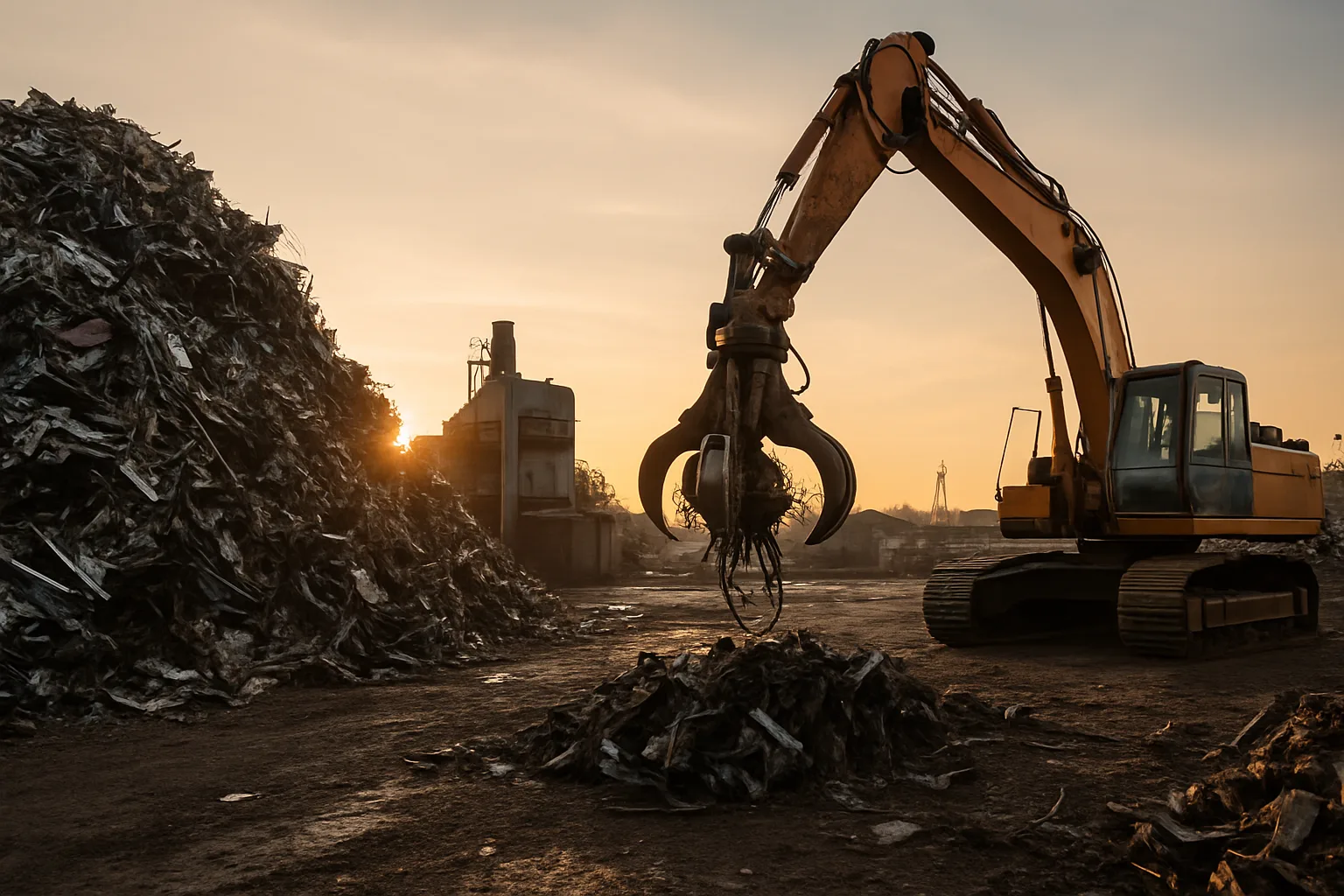
After usable parts are harvested, what's left is the body shell — steel frame, body panels, and whatever metal couldn't be reused whole. This is where the car officially becomes scrap metal. The shell gets fed into an industrial shredder, which reduces the entire vehicle to fist-sized chunks of mixed material in under a minute.
From there, the shredded material goes through a separation process — magnets pull ferrous (iron-based) metals, eddy current separators extract non-ferrous metals like aluminum and copper, and the rest gets sorted further. The sorted metal gets consolidated into loads and sold to mills and foundries that melt it down and reintroduce it into manufacturing.
This is where the SMASH scrap metal auction marketplace enters the picture. Yards that sell consolidated loads of shredded steel, aluminum, or non-ferrous material through competitive auction formats rather than single-buyer relationships get better price discovery on those loads. The difference between one buyer quoting you a number and five vetted buyers competing for the same load is real — and it flows back through the chain toward better offers for sellers. Platforms like SMASH make it possible to sell your car for cash in the USA within a more transparent, competitive marketplace.
If you want to understand how scrap metal pricing works and how it affects what you get paid for your junk car, read car selling guides that break down the connection between commodity markets and car valuations.
What This Means for Sellers With No Title or Keys
Here's something practical. A lot of sellers in Allentown and across Pennsylvania sit on vehicles they can't easily document. The title got lost. The keys disappeared years ago. The car's been sitting in a field since a family member passed. These situations are common — and they don't have to be deal-breakers.
Legitimate cash for cars no title no keys buyers exist and handle these situations regularly. The auto recycler doesn't need you to drive the car in. They're towing it. And many states allow alternative proof of ownership — an expired registration, a bill of sale, or an affidavit — particularly for older vehicles with lower declared values. Pennsylvania has a defined process for vehicles where title is unavailable, and a reputable buyer will walk you through it rather than just turning you away.
What you do need to avoid: selling a vehicle you don't own. That's a different problem entirely. But if the car is genuinely yours and the paperwork just isn't perfect, there's usually a path forward. Ask your buyer directly what documentation they need before you assume the deal can't happen.
SMASH-connected buyers approach this practically. They've seen every documentation scenario. A missing title doesn't automatically kill a deal — it just requires the right process.
Why the Recycling Process Should Shape How You Sell
Understanding what happens after pickup should change how you approach the sale. A few practical takeaways:
- Don't strip the car yourself before selling. Removing your own catalytic converter or selling the battery separately might net you a small gain, but most buyers will reduce their offer more than the value of whatever you pulled. The car is worth more whole.
- Document what's present on the vehicle. Knowing whether the engine runs, whether the cat is intact, and what major components are still attached helps you have an honest, productive conversation with any buyer. It also makes it harder for someone to lowball you on false pretenses.
- Get multiple offers. The auto recycling process is the same everywhere — but buyers pay different amounts based on their cost structures, parts buyer relationships, and access to metal markets. One phone call is never enough.
- Sell to licensed, vetted buyers. Depollution compliance, proper title transfer, and legal disposal all matter. An unlicensed buyer cutting corners on fluid disposal can create liability for you, not just them.
If your vehicle is in Allentown or anywhere in Pennsylvania, getting a free, no-obligation valuation is the logical first step. Don't guess at what your car is worth — get a free car valuation and find out what the competitive market will actually pay.
The process from your driveway to the shredder is more structured than most people realize. Recyclers aren't just scrapping cars randomly — they're running a materials recovery operation where every component has a downstream buyer. When you sell smart, you capture more of that value. Whether you're in Allentown or anywhere across the country, the goal is the same: don't leave money on the table.
Frequently Asked Questions
Q: How long does it take to get paid after a junk car pickup in Allentown?
Most reputable buyers pay at the time of pickup — cash or check on the spot. Some buyers issue payment within 24–48 hours if payment is processed separately from the tow. Confirm the payment timeline before you schedule pickup so there are no surprises.
Q: Can I sell my junk car in Pennsylvania without a title?
In many cases, yes. Pennsylvania has provisions for selling older vehicles without a clean title, including using a prior registration or completing an affidavit of ownership. Your buyer should be able to walk you through the specific requirements for your vehicle's year and situation.
Q: Does it matter if my car is completely stripped before I call a junk car buyer?
It matters significantly. A stripped car — especially one missing the catalytic converter, engine, or other major components — is worth considerably less than a complete vehicle. If you're planning to sell scrap metal online or through a buyer, selling the car whole almost always produces a better total outcome.
Q: What's the difference between scrap car removal and selling to a cash for cars buyer?
Scrap car removal typically refers to towing and disposing of a vehicle for its metal weight alone — often with minimal payout. A cash for cars buyer evaluates the whole vehicle, including parts value, before making an offer. The distinction matters: parts-based valuations typically produce higher offers than pure scrap weight pricing.
Q: How does SMASH relate to selling my junk car for cash?
SMASH is a scrap metal auction platform that connects recycling yards with vetted buyers for consolidated metal loads. When yards sell their processed scrap through competitive auctions rather than single-buyer arrangements, the improved price discovery can support better offers upstream — including what you get paid for your junk car. It's the market working the way it should.
Ready to find out what your vehicle is worth? Sell your car for cash in the USA — get a free quote at cashforcars-usa.com and see what a competitive, transparent process actually looks like.
Stay current on scrap metal markets and industry trends by following SMASH on LinkedIn — useful intel whether you're scrapping one car or managing a full yard operation.