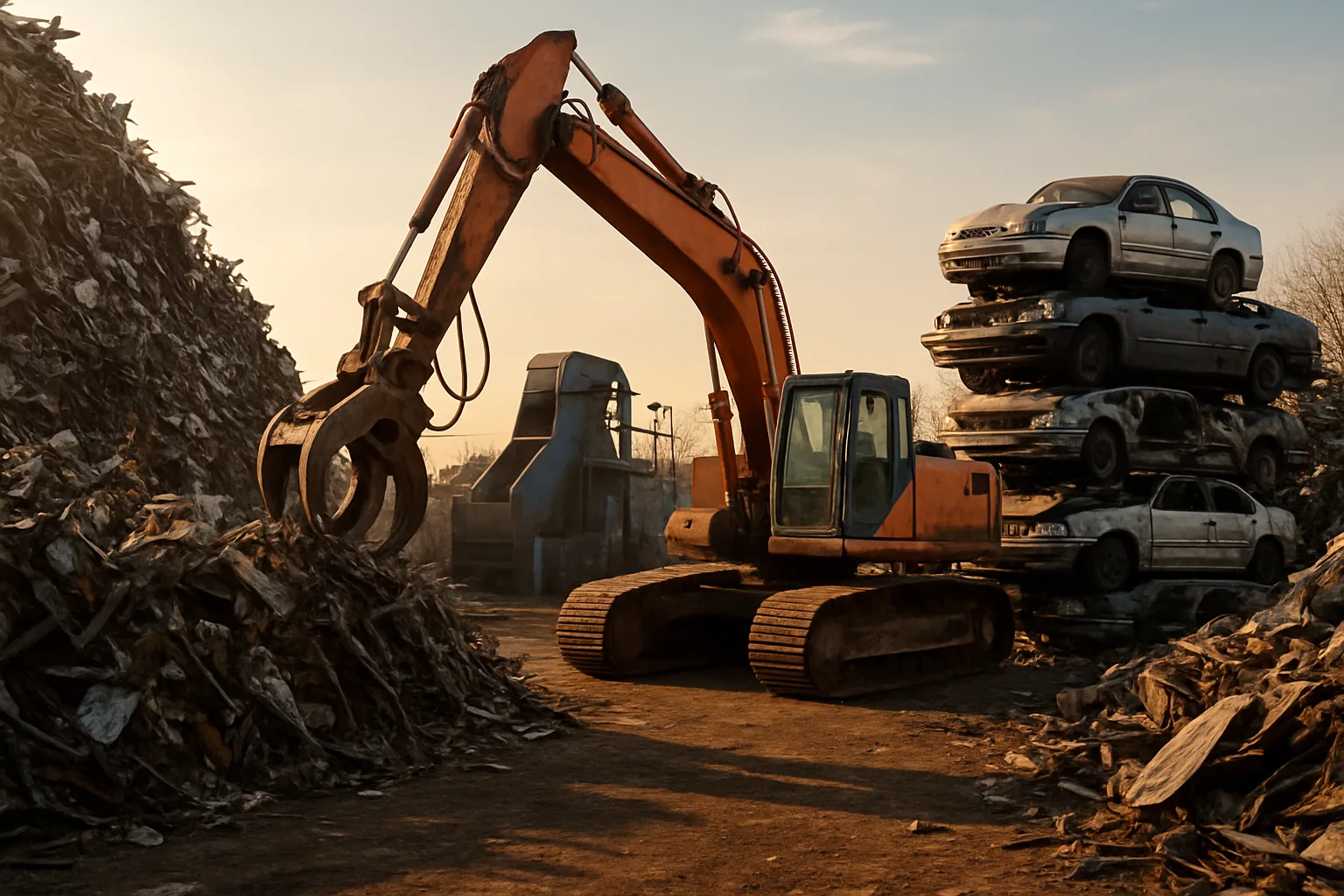
Most people hand over their keys, pocket their cash, and never think twice about where their car goes. But here's what's actually happening behind the fence at your local auto recycler — and why it matters if you want to sell my junk car Long Beach for the best possible return.
The auto recycling process is a precise, multi-step operation. Your old beater doesn't just get crushed into a cube and tossed in a pile. There's real money being extracted at every stage — fluids, parts, cores, non-ferrous metals, and finally the steel carcass itself. Understanding this process helps you ask smarter questions before you sell, and it explains why the price you're offered isn't pulled out of thin air.
Step One: Intake, Inspection, and Documentation
The moment your vehicle rolls through the yard gate, the clock starts. Yard staff log the VIN, confirm the make, model, year, and condition, and photograph the car from multiple angles. This documentation matters more than most sellers realize. A well-documented intake record protects the yard legally, helps them price parts accurately, and — on platforms like SMASH Scrap — where verified buyers bid on your metal — gives downstream buyers the confidence to bid competitively on loads without physically inspecting every unit.
Photo documentation, VIN lookup, and serial tracking aren't just administrative busywork. They're the foundation of price transparency. A yard that skips this step is flying blind — and so are the buyers they're trying to attract. If the yard buying your car doesn't document what they take in, that's a signal they're not running a tight operation.
- VIN lookup confirms the vehicle history and flags any liens or title complications
- Condition photos capture body damage, missing parts, and interior state
- Weight estimates are logged based on the vehicle class (compact, truck, SUV, etc.)
- Part value assessment identifies whether the car is better stripped or crushed whole
How Recyclers Decide What Your Car Is Worth
This is where the real math happens. Yards don't just look at scrap steel prices. They're running a quick mental — or sometimes digital — calculation across several value streams simultaneously. A 2012 Honda Accord sitting in a Long Beach yard could have a transmission worth pulling, a catalytic converter (cat) with meaningful PGM content, usable body panels, and a set of tires that still have life in them. Each of those has a separate market.
The steel carcass at the end — once everything recoverable has been stripped — is what hits the scrap pile. That's the number most sellers focus on, but it's actually the floor of the car's total value, not the ceiling. If you want to understand how recyclers think about scrap car value, tools like a scrap car value calculator can give you a baseline — but they're only showing you the metal weight equation, not the full picture.
Here's what yard buyers actually evaluate:
- Catalytic converters — cats contain platinum, palladium, and rhodium. One cat from the right vehicle can be worth more than the scrap steel on the whole car.
- Reusable parts — engines, transmissions, doors, hoods, alternators, and starters all have an aftermarket. Yards that run a dismantling operation pull these before the car goes to crush.
- Non-ferrous metals — aluminum wheels, copper wiring, and radiators are pulled separately because non-ferrous commands a higher price per pound than steel.
- Fluids — oil, coolant, transmission fluid, and refrigerants are drained and either recycled or disposed of according to California environmental regulations.
- Steel weight — what's left after everything else is removed gets weighed and added to a load that eventually goes to a shredder or mill.
The Depollution Stage: What California Requires
In California, auto recyclers operate under strict environmental rules. Before any vehicle is crushed or dismantled, it must be depolluted. This isn't optional, and it's not just good practice — it's the law. A yard operating in Long Beach or anywhere in California is subject to oversight from the California Department of Resources Recycling and Recovery (CalRecycle) and local air quality management districts.
Depollution means draining and properly disposing of every fluid and hazardous material in the vehicle. That includes:
- Engine oil and transmission fluid
- Brake fluid and power steering fluid
- Coolant / antifreeze
- Gasoline remaining in the tank
- Air conditioning refrigerant (requires EPA Section 608 certified technicians)
- Battery acid from lead-acid batteries
- Mercury switches (found in older pre-2003 vehicles)
- Airbag inflators, which are classified as hazardous
This step has a real cost. Yards absorb it as part of doing business, which is one reason why the offer you get for a junk car reflects more than just the weight of the steel. If you're trying to sell your car for cash in the USA and a buyer gives you a quote with zero explanation of what they're paying for, ask questions. Legitimate recyclers can walk you through their value breakdown.
Dismantling vs. Direct Crush: How Yards Make the Call
Not every car gets stripped before it's crushed. Yards make this call based on a simple economics question: does the labor cost of pulling parts get justified by the resale value of those parts? A high-mileage econobox with a cracked block and stripped interior might go straight to crush. A low-mileage SUV with a clean engine and intact interior might spend several weeks in the dismantling bay.
For sellers, this distinction matters because it affects the offer you receive upfront. A car with strong part value is worth more to a yard that runs an active dismantling operation than to one that just runs a crushing and hauling service. This is exactly the kind of price discovery problem that a scrap metal auction platform is built to solve. When multiple vetted buyers can see your vehicle's documented condition and bid competitively, the offer you walk away with reflects what the market actually thinks your car is worth — not just what one buyer thinks they can get away with paying.
Platforms like SMASH bring that competitive dynamic to the recycling business. Instead of calling one buyer and taking their number, yards using SMASH put loads in front of multiple verified buyers. That competition can help reveal the market. More buyers means better price discovery. If you want to get a free car valuation before you commit to anything, that's always the right first move.
What Happens to the Steel — From Shredder to Mill
Once a car has been depolluted and stripped of any recoverable value, the carcass goes to the shredder. Industrial auto shredders are massive machines — they reduce a full vehicle body to fist-sized chunks of shredded steel in seconds. The output gets processed through a series of magnets and air separators to pull out remaining non-ferrous materials and fluff (foam, plastic, fabric).
The clean shredded steel — called shredded scrap or #1 shred — is then sorted into loads and sold to steel mills. Mills melt it down and use it to produce new steel. This is where the BOLs (bills of lading) and packing lists that yards generate become important for the transaction. The weight, grade, and contamination level of a load determines what a mill will pay.
This end-of-life steel cycle is why auto recycling is one of the most material-efficient industries in North America. Roughly 80% of a typical vehicle's weight is recovered and returned to productive use. For a car sitting in a Long Beach driveway collecting parking tickets, that's not a bad legacy.
If you want to dig deeper into how the scrapping and selling process works from a seller's perspective, read car selling guides that walk you through what to expect at every stage.
What You Should Know Before You Hand Over the Keys
Now that you understand what happens on the other side of the transaction, here's what to do before you sell my car fast Long Beach and call it done.
- Pull your catalytic converter if legally possible — In California, selling a cat separately from the vehicle has specific legal requirements. Know the rules before you act, but understand that cats have real independent value.
- Remove personal items and plates — California requires you to surrender your license plates to the DMV when you sell a vehicle for scrap. Don't leave personal documents in the glovebox.
- Get the title sorted — If you're looking at sell scrap car in California without a title, it's possible but adds complexity. Talk to the buyer about their process upfront.
- Get multiple offers — Don't accept the first number. Use tools, platforms, and competitive buyers to understand what your car is actually worth.
- Ask about pickup timing — Legitimate buyers will give you a clear pickup window. Same-day or next-day pickup is standard in most California markets.
Whether you're dealing with a running vehicle, a flood car, a rusted-out truck, or something that hasn't moved in years, the process at the recycler is the same. The car gets documented, depolluted, evaluated, dismantled where it makes economic sense, and the metal gets sold. Every step has a cost and a value, and the spread between those two numbers is what ends up in your pocket.
If you're ready to get a real number for your vehicle — not a guess, not a lowball — the right move is to reach out to buyers who can actually compete for your car. That's the whole idea behind platforms built for price discovery. Ready to move on that old car sitting in your driveway? Sell your car for cash in the USA — get a free quote at cashforcars-usa.com.
Frequently Asked Questions
Q: What do I need to sell my junk car in Long Beach, California?
In most cases, you'll need the vehicle title, a valid ID, and a way to sign over ownership. If you don't have the title, some buyers can still work with you, but the process takes longer and you may receive a lower offer. California also requires you to submit a Notice of Release of Liability to the DMV when the vehicle changes hands.
Q: How long does the pickup process take when I sell my car fast in Long Beach?
Most junk car buyers in Long Beach and across California can schedule a pickup within 24 to 48 hours of accepting an offer. Same-day pickup is available in many cases depending on the buyer's current load. Confirm the timeline before you agree to anything — a legitimate buyer will give you a clear window, not a vague "sometime this week."
Q: Will I get more money if my car is still running?
Generally, yes. A running vehicle opens up the resale and parts market in addition to the scrap value, so buyers can justify a higher offer. That said, even a non-running car has real value — the steel, non-ferrous metals, and catalytic converter don't care whether the engine turns over. Get an offer either way and compare.
Q: What happens to my car's catalytic converter at the recycler?
Cats are removed during the dismantling stage and processed separately because they contain platinum group metals (PGMs) — platinum, palladium, and rhodium. These are refined and sold to specialty buyers or directly to refiners. The value of a cat varies widely depending on the vehicle make, model, and current PGM spot prices.
Q: Can I sell a scrap car in California without a title?
It's possible, but more complicated. Some licensed dismantlers and recyclers can process vehicles without a title using a bonded title or a bill of sale, depending on the vehicle's age and circumstances. You'll want to confirm the buyer is a licensed California auto dismantler before proceeding, and expect the process to take a few extra days while paperwork is sorted out.
Stay current on scrap metal markets and industry news — follow SMASH on LinkedIn for updates, pricing insights, and recycling industry analysis: SMASH on LinkedIn.