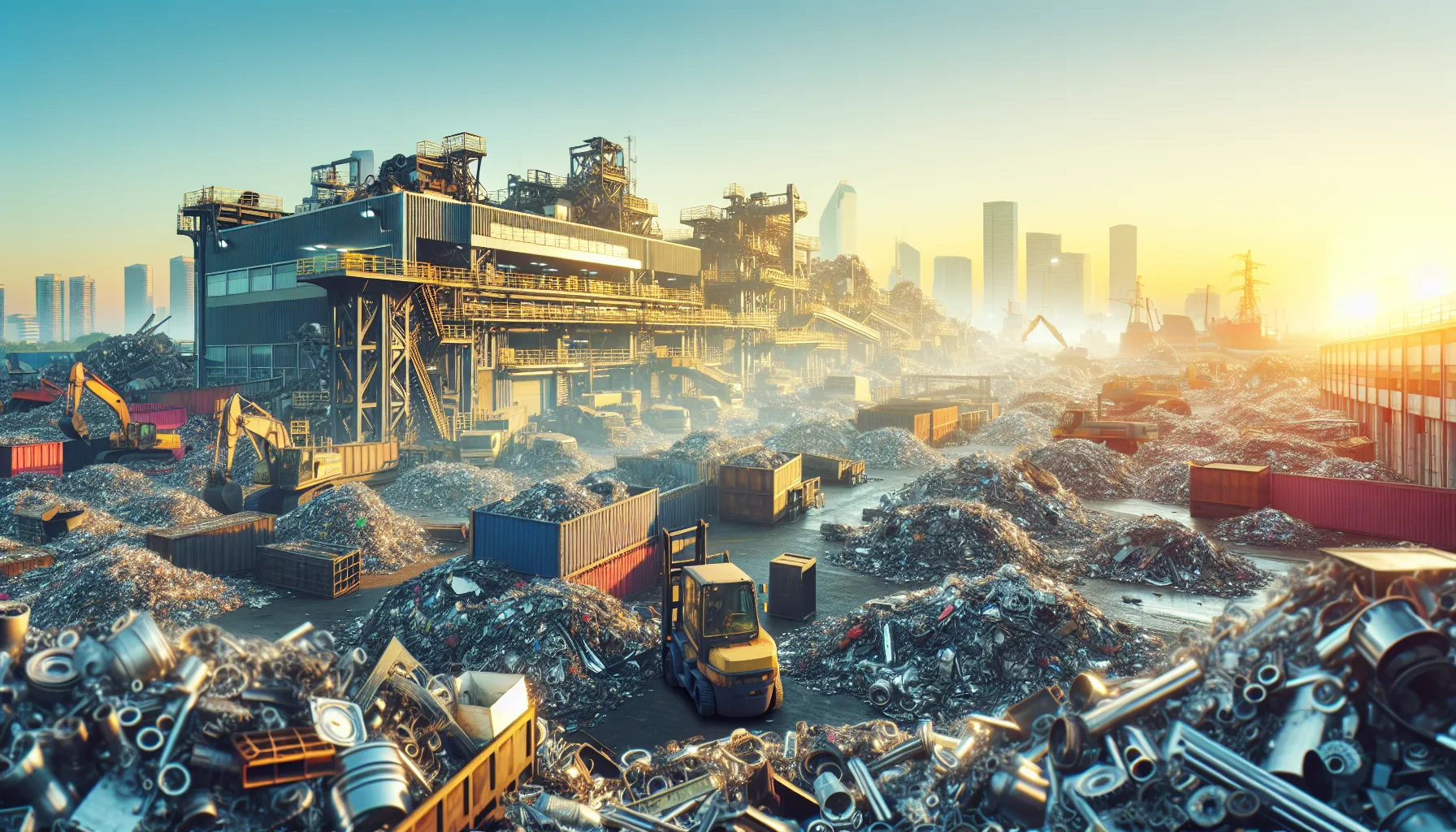
Ever wonder what happens to your old car after the tow truck disappears around the corner? The journey from your San Francisco driveway to complete recycling involves a sophisticated operation that turns automotive waste into valuable resources. Understanding this process helps you appreciate why auto recyclers pay cash for vehicles — even those sitting non-running in California driveways for years.
When you sell your car for cash in the USA, you're not just getting rid of a problem vehicle. You're feeding into an industry that recycles over 12 million vehicles annually, recovering approximately 80% of each car's materials. This massive recycling operation creates jobs, conserves natural resources, and provides affordable auto parts to consumers nationwide.
Initial Vehicle Assessment and Documentation
The moment your car arrives at an auto recycling facility, it undergoes comprehensive documentation. Recyclers photograph the vehicle from multiple angles, recording the VIN number, mileage, and overall condition. This paperwork protects both the facility and previous owners from future liability issues.
Professional recyclers verify ownership documentation, even when you sell my junk car without title in certain situations. They maintain detailed records for state regulatory compliance and insurance purposes. In California, recyclers must hold vehicles for specific waiting periods before beginning dismantling operations.
The initial assessment determines the vehicle's recycling pathway. High-value cars might qualify for parts harvesting, while severely damaged vehicles head directly to material recovery. Recyclers use specialized software to track inventory, monitor market demand, and optimize profit margins across different vehicle components.
Fluid Drainage and Hazardous Material Removal
Environmental safety drives the first major step in auto recycling. Certified technicians drain all automotive fluids including motor oil, transmission fluid, coolant, brake fluid, and gasoline. These materials require special handling under federal and state environmental regulations.
Motor oil gets filtered and recycled into new lubricants or processed into other petroleum products. Coolant undergoes purification for reuse in automotive applications. Gasoline and diesel fuels are cleaned and sold to fuel distributors. Even seemingly minor fluids like power steering fluid and differential oil get collected for proper disposal or recycling.
Battery removal happens early in the process since lead-acid batteries contain valuable metals and hazardous materials. Auto recyclers typically sell batteries to specialized lead smelting operations. Air conditioning refrigerant requires certified technician removal to prevent atmospheric release of harmful compounds.
This careful fluid management explains why legitimate auto recyclers can offer competitive prices when you sell my car fast San Francisco. They recover value from materials that would otherwise represent disposal costs.
Valuable Parts Harvesting and Inventory
After fluid drainage, skilled technicians begin systematic parts removal. Engines, transmissions, and electronic control modules represent the highest-value components. Popular vehicle models in San Francisco see strong demand for replacement parts, driving higher recycling values.
Modern auto recyclers use sophisticated inventory management systems to track parts demand and pricing. They monitor which components sell quickly versus those that tie up warehouse space. This data influences which parts get harvested from incoming vehicles.
Electronic components like navigation systems, entertainment centers, and advanced driver assistance modules command premium prices. California's tech-savvy population creates strong markets for these sophisticated automotive electronics. Even seemingly mundane items like mirrors, door handles, and interior trim pieces find ready buyers.
The parts harvesting process can take several hours for valuable vehicles. Technicians carefully remove components to preserve functionality and appearance. Parts then undergo cleaning, testing, and cataloging before entering retail or wholesale distribution channels.
Metal Separation and Processing
Once valuable parts are removed, the remaining vehicle shell enters the metal recovery phase. Auto recyclers use powerful hydraulic equipment to compress and separate different metal types. Steel comprises roughly 65% of vehicle weight, making it the primary target for scrap metal recovery.
Aluminum components like wheels, engine blocks, and body panels get separated for specialized recycling. Aluminum commands higher prices than steel in scrap metal markets due to the energy savings in reprocessing versus mining new aluminum ore. Copper wiring throughout vehicles represents another valuable metal stream.
Modern vehicles contain trace amounts of precious metals in catalytic converters and electronic components. While these quantities seem small per vehicle, they add up across thousands of cars processed annually. The SMASH scrap metal auction marketplace helps recyclers optimize pricing for these recovered metals.
The metal separation process requires specialized equipment and expertise. Magnetic separators pull ferrous metals while eddy current separators recover non-ferrous materials. This technology ensures maximum material recovery and helps auto recyclers remain profitable even when paying cash for severely damaged vehicles.
Plastic and Rubber Material Recovery
Vehicle recycling extends beyond metals to include plastics, rubber, and fabric materials. Modern cars contain hundreds of pounds of various plastic types, each requiring different recycling approaches. Dashboard materials, bumper covers, and interior panels represent significant material volumes.
Tire recycling presents unique challenges and opportunities. Used tires can be retreaded, converted to rubber crumb for playground surfaces, or processed into fuel for cement kilns. California's environmental regulations encourage tire recycling, creating additional revenue streams for auto recyclers.
Seat fabrics, carpeting, and headliners often end up in waste streams, though innovative recyclers explore textile recovery options. Some materials get processed into insulation or industrial wiping cloths. As recycling technology advances, more vehicle materials find second-life applications.
Glass recovery from windows and windshields varies by facility capabilities. Some recyclers collect glass for specialized processors, while others focus on higher-value materials. The economics of glass recycling depend on transportation costs and local market demand.
Advanced Technology and Future Innovations
Auto recycling continues evolving with new technology and changing vehicle designs. Electric vehicle batteries require specialized handling and processing capabilities. Hybrid vehicle components present unique recycling challenges and opportunities as these vehicles age into scrap status.
Artificial intelligence and machine learning help modern recyclers optimize operations. Automated systems can identify valuable components, predict parts demand, and optimize dismantling sequences. This technology improves efficiency and safety while maximizing material recovery rates.
Platforms like SMASH revolutionize how recyclers market recovered materials. Instead of accepting whatever local scrap dealers offer, recyclers can auction materials to nationwide buyers. This increased competition drives higher prices and helps recyclers pay more when customers sell scrap car in California.
Future innovations include robotic dismantling systems and advanced material separation technology. As vehicle designs become more complex, recycling operations must adapt to handle new materials and component types. This ongoing evolution ensures auto recycling remains economically viable and environmentally beneficial.
The journey from your old car to recycled materials represents a sophisticated industrial process that creates value from waste. Understanding this process helps explain why reputable companies can offer cash for cars no title open now in many situations — they're tapping into multiple revenue streams from every vehicle they process.
Ready to turn your unwanted vehicle into cash? Whether your car runs perfectly or hasn't started in years, auto recyclers can extract value from every component. Get a free car valuation today and discover how much your vehicle is worth in the recycling market. For more insights about the car selling process, read car selling guides that help you maximize your vehicle's value. Sell your car for cash in the USA — get a free quote at cashforcars-usa.com and turn your automotive headache into immediate payment.
Frequently Asked Questions
Q: How long does the recycling process take after my car is picked up?
The complete recycling process typically takes 2-4 weeks from pickup to final material processing. Initial documentation and fluid drainage happen within 24-48 hours, while parts harvesting and metal separation can take several more days depending on vehicle complexity and facility workload.
Q: What happens if valuable parts are discovered after I sell my junk car in San Francisco?
Once you complete the sale and transfer ownership, any subsequently discovered value belongs to the recycling facility. This is why reputable buyers conduct thorough initial assessments and offer fair prices based on visible components and current market conditions.
Q: Can I sell my car without a title in California for recycling?
California allows junk car sales without titles in specific circumstances, typically for vehicles over 10 years old worth less than $4,000. However, you must provide alternative documentation like registration and valid ID. Requirements vary by recycler, so check specific policies when getting quotes.
Q: Do auto recyclers really recycle 80% of each vehicle?
Yes, modern auto recycling operations recover approximately 80% of vehicle materials by weight. Steel and iron make up the largest portion, followed by aluminum, copper, and other metals. The remaining 20% includes fluids, some plastics, and materials that currently lack cost-effective recycling methods.
Q: How do recyclers determine what price to pay for junk cars?
Recyclers calculate offers based on vehicle weight, current scrap metal prices, valuable parts potential, and processing costs. Market demand for specific parts, current metal commodity prices, and transportation expenses all influence final offers. This is why prices can vary significantly between different buyers and market conditions.
Follow SMASH on LinkedIn for the latest industry updates and scrap metal market insights that impact automotive recycling values.