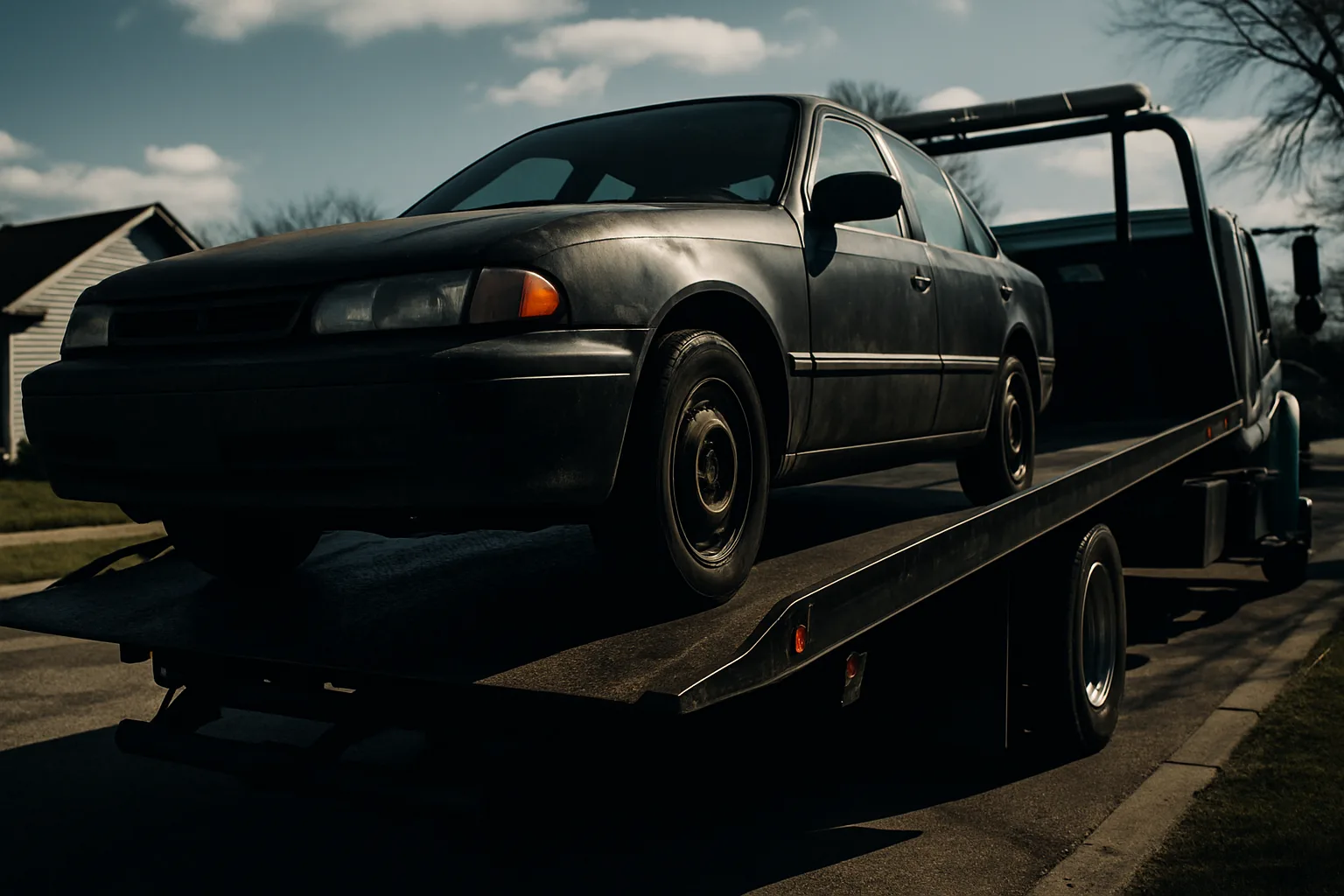
Most people leave hundreds of dollars on the table when they scrap a car. Not because the market is bad — because they didn't do a few simple things before handing over the keys. If you're trying to sell my car fast Cleveland style — meaning quickly, no drama, and for the best cash offer you can get — this guide is for you.
Whether your vehicle is a 20-year-old beater with 280,000 miles, a flood-damaged SUV, or a parts car that's been sitting in the driveway since last winter, what you do before the transaction matters. A lot. This isn't complicated. But skipping these steps is how people get lowballed — or worse, get stuck dealing with a buyer who won't take the car at all.
Let's walk through exactly what to do before your junk car leaves the property.
Step 1: Know What You Actually Have Before You Call Anyone
Before you sell your car for cash in the USA, you need to know what you're selling. That means more than just the year, make, and model. Buyers — especially serious ones — want details. And the more details you can give them up front, the faster the process moves and the better your offer.
Start by pulling your VIN. It's on the dashboard near the windshield, on the driver's door jamb, or on your registration. A VIN tells a buyer the engine size, trim level, transmission type, and factory options — all of which affect scrap and resale value. If you're wondering how much is my junk car worth calculator tools can give you a rough range, but accurate offers come from accurate vehicle data. Don't guess at engine size. Don't forget to mention if you have a diesel — diesel vehicles often carry a premium at the yard.
Also note:
- Does it run and drive, or is it non-operational?
- Is the title in your name and clean (no lien)?
- Are any major components missing — catalytic converter, engine, transmission?
- What condition is the body in? (Rust, collision damage, rollover?)
This isn't busywork. Buyers use this information to make a real offer. If you show up to a transaction and the car is missing the catalytic converter you forgot to mention, expect the offer to drop on the spot.
Step 2: Pull Your Valuables and Personal Items — Then Pull Them Again
This sounds obvious. People still leave cash, medications, garage door openers, sunglasses, and registration documents in vehicles they scrap. Once that car rolls onto a hauler or into a yard, recovering anything is nearly impossible.
Go through the car systematically:
- Glove box and center console — registration, insurance cards, garage openers, spare keys, change
- Under and between seats — especially if you have kids, this is a treasure hunt
- Trunk — spare tire, jack, jumper cables, tools, emergency kits (those roadside kits are worth keeping)
- Seat pockets and door pockets — USB cables, chargers, sunglasses, masks
- Roof and cargo area (SUVs and trucks) — roof racks, bed liners, toolboxes
Anything aftermarket that you added — a stereo, upgraded wheels, a tow hitch — is yours to pull before the sale unless you've agreed otherwise. If you've put a $400 set of rims on a car you're scrapping, pull them and put the stock wheels back on, or negotiate accordingly. Don't donate your upgrades to a junkyard.
Step 3: Understand What Your Junk Car Is Actually Worth in 2026
The question everyone asks first: how much is the average junk car worth? The honest answer is: it depends on the weight, the local scrap metal market, what parts are salvageable, and the condition of the vehicle. In 2026, scrap steel prices continue to move based on demand from manufacturing and construction sectors, which means your car's value isn't static — it shifts with the market.
A heavier vehicle — a full-size truck, an older American sedan, a large SUV — will generally bring more at scrap weight than a small economy car. A running, driving vehicle with a clean title and intact parts will almost always outpace straight scrap weight pricing. Platforms like North America's B2B scrap metal auction platform have changed how commercial buyers think about pricing transparency — and that shift benefits sellers too, because competition at the buyer level leads to better price discovery across the board.
Key factors that affect your cash for junk cars Cleveland offer:
- Current scrap metal prices — steel, aluminum, and copper all vary
- Vehicle weight and size — heavier cars generally mean more scrap value
- Parts demand — engines, transmissions, and specialty parts can be worth more whole than scrapped
- Catalytic converter — if yours is intact and original, it carries real value in precious metal content
- Title status — a clean Ohio title makes transactions faster and can improve your offer
- Condition — running vs. non-running, body damage, missing components
Disclaimer: Scrap metal and junk car prices fluctuate based on market conditions. Always check current rates before accepting an offer.
Step 4: Handle the Paperwork Before the Car Leaves
In Ohio, transferring a vehicle requires a title signed over to the buyer. If you don't have your title, you'll need to apply for a duplicate through the Ohio BMV before you can complete a legal sale. Don't skip this. Selling a car without a title opens you up to liability — and reputable buyers won't take a vehicle without one.
Here's what you need to have ready:
- Certificate of Title — signed on the back, with odometer disclosure completed
- Valid ID — driver's license matching the name on the title
- Bill of Sale (recommended even when not required) — documents the sale price, date, and both parties
- License plates — in Ohio, plates stay with the owner, not the vehicle. Remove them before the car is picked up.
Once the car is sold, notify your insurance company immediately to cancel coverage. You don't want to keep paying premiums on a car you no longer own — and you definitely don't want liability exposure if the car somehow stays on the road after the sale.
If you're in the Cleveland area and want a streamlined process, Cleveland scrap metal services through cash-for-cars platforms can walk you through the paperwork requirements specific to your county and situation.
Step 5: Remove Fluids and Hazardous Materials Properly (Or Know Who Will)
This step matters more than most people realize — and not just for environmental reasons. If you're selling to a reputable buyer, they'll handle fluid removal at their facility. But if you're trying to part out the car yourself or donate components before scrapping the shell, you need to know what's in that vehicle.
Vehicles contain:
- Engine oil and transmission fluid
- Coolant (antifreeze)
- Brake fluid and power steering fluid
- Gasoline or diesel
- Refrigerant in the A/C system (requires certified equipment to recover)
- Battery acid
Most of these are hazardous waste and cannot be poured down a drain or dumped on the ground. A licensed auto recycler or scrap yard is required to handle these properly under EPA regulations — and in 2026, compliance enforcement in Ohio continues to tighten around automotive fluid disposal. Work with buyers who operate legitimately. It protects you, not just the environment.
If you're keeping the battery — car batteries have solid resale value at auto parts stores — pull it before the car is picked up. Same with any full gas tank: siphon what you can if it's accessible and safe to do so.
Step 6: Get Multiple Offers — Competition Is Your Friend
One quote from one buyer is a guess. Three quotes from three buyers is a market. This is true whether you're scrapping a 2008 Chevy Impala in Cleveland or a diesel pickup in rural Ohio. The spread between the lowest and highest offer on the same vehicle can be significant — and it takes maybe 20 minutes to find out.
SMASH was built on this exact principle. At its core, competition among buyers is how sellers stop leaving money on the table. SMASH operates as a vetted B2B auction platform — meaning buyers compete, sellers get transparency, and the guesswork disappears. That model works for commercial scrap loads, and the same logic applies when you're selling a single vehicle. More buyer eyes on your asset means better price discovery.
When you're ready to get a free car valuation, don't anchor to the first number you hear. Get it in writing. Confirm whether the offer includes free towing or if pickup fees come off the top. A $600 offer with a $75 tow fee is worse than a $550 offer with free pickup — do the math before you agree.
Want more guidance before you sell? Read car selling guides covering everything from title transfers to timing your sale around scrap market conditions.
Frequently Asked Questions
Q: How fast can I sell my car fast in Cleveland without a title?
Selling without a title in Ohio is complicated. Most legitimate buyers require a title to complete the transaction legally. If you've lost yours, apply for a duplicate through the Ohio BMV — the process is straightforward and typically takes a few business days. Some buyers will work with you while you get the duplicate, but don't expect full offers without documentation in hand.
Q: How much is the average junk car worth in 2026?
It varies widely based on vehicle size, condition, scrap metal prices, and parts demand. Heavier vehicles with intact components — especially catalytic converters — tend to command higher offers. Rather than relying on a single calculator estimate, get two or three real quotes from buyers in your area. Prices fluctuate with the market, so current quotes beat any static estimate.
Q: What's the best way to get cash for junk cars in Cleveland?
Have your title ready, know your VIN, pull your personal belongings, and get multiple offers. Cleveland has active buyers in the junk car and scrap vehicle space — competition among them works in your favor. Platforms that connect sellers with vetted buyers, like SMASH, demonstrate how buyer competition leads to better outcomes for sellers across the board.
Q: Do I need to drain the gas before scrapping my car in Ohio?
You don't have to, but if there's a substantial amount of fuel in the tank, it's worth siphoning it for your own use if it's safe and accessible. Licensed recyclers and scrap yards are equipped to handle remaining fluids as part of their process. Confirm with your buyer what's expected before pickup.
Q: Will removing my catalytic converter before selling hurt my offer?
Yes — significantly in some cases. Buyers factor the catalytic converter into their offer because it contains platinum, palladium, and rhodium. If the cat is already missing, expect your offer to reflect that. Selling the converter separately and then selling the shell as a vehicle stripped of its cat rarely nets more than selling the car whole to a buyer who values both.
If you've been sitting on a junk car in Cleveland or anywhere else in Ohio, now is as good a time as any to move it. Do the prep work, get your paperwork straight, and go into the transaction knowing what you have. If you want a straightforward starting point, sell your car for cash in the USA — get a free quote at cashforcars-usa.com and see what your vehicle is actually worth today.
Follow SMASH on LinkedIn for industry updates, scrap metal market insights, and a ground-level view of how the recycling and auto salvage market is moving in 2026.