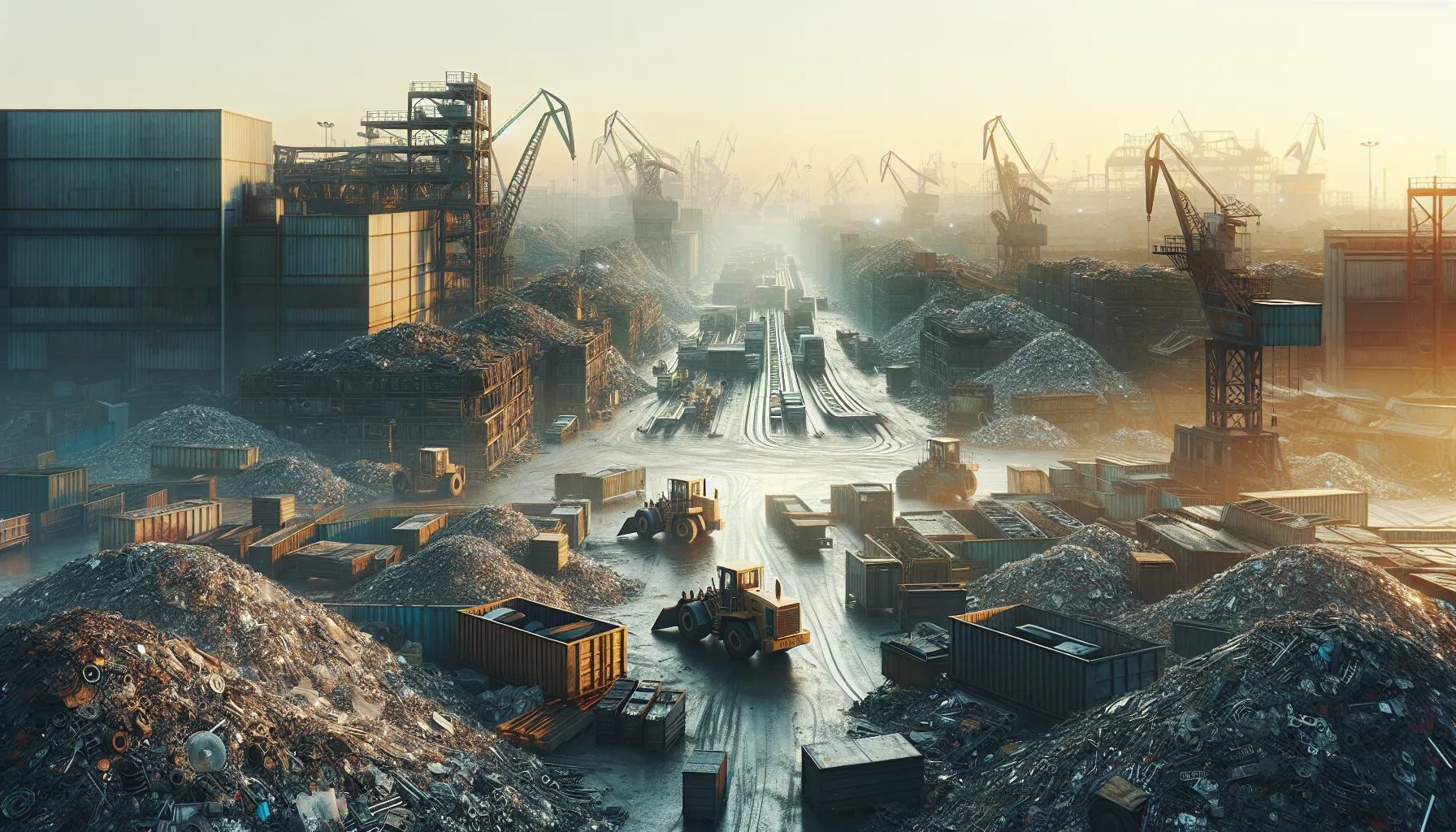
The Journey Begins: What Happens When You Sell Your Car for Cash
When you decide to sell my car fast Phoenix, the process doesn't end when the tow truck drives away with your vehicle. Your old car embarks on a fascinating journey through the auto recycling industry, where skilled professionals transform what might seem like junk into valuable resources. Understanding this process helps Phoenix residents appreciate the environmental and economic benefits of choosing sell your car for cash in the USA services over abandoning vehicles in landfills.
The auto recycling industry in Arizona processes thousands of vehicles monthly, creating jobs and supporting local economies. When you use platforms like SMASH to connect with reputable buyers, your vehicle enters a well-established network that maximizes both your payout and environmental benefits. This systematic approach ensures nothing goes to waste.
Initial Assessment and Documentation at the Auto Recycler
Once your vehicle arrives at the recycling facility, the first step involves comprehensive documentation. Recyclers verify the vehicle identification number (VIN) and confirm proper ownership transfer. This protects both you and the facility from legal complications down the road.
Professional assessors examine each vehicle to determine the most profitable dismantling approach. They identify valuable components that can be resold as used parts, check fluid levels for proper disposal, and catalog any hazardous materials requiring special handling. Modern recycling facilities use sophisticated software to track each vehicle's progress through the facility.
The assessment team also evaluates whether any parts warrant immediate removal for the used parts market. High-demand components like engines, transmissions, and electronic systems often command premium prices when resold to repair shops and individual mechanics.
Fluid Drainage and Environmental Safety Procedures
Environmental protection takes priority in professional auto recycling operations. Trained technicians systematically drain all fluids from your vehicle, including motor oil, transmission fluid, brake fluid, coolant, and gasoline. These fluids undergo proper disposal or reconditioning processes according to EPA regulations.
Phoenix recyclers must comply with strict Arizona environmental standards, particularly regarding groundwater protection in desert climates. Specialized equipment captures and contains all fluids to prevent soil contamination. Many facilities partner with oil refineries to process used motor oil into new lubricants.
Battery removal happens early in the process since automotive batteries contain lead and sulfuric acid. These batteries typically go to specialized recycling facilities where the lead gets refined into new batteries, creating a closed-loop recycling system.
Air conditioning systems require careful refrigerant recovery. Certified technicians use specialized equipment to capture R-134a or other refrigerants for reuse in other vehicles, preventing harmful chemicals from entering the atmosphere.
Parts Removal and Inventory Management
The dismantling process begins once all fluids are safely removed. Skilled technicians methodically remove valuable components, starting with high-demand items like catalytic converters, which contain precious metals including platinum, palladium, and rhodium.
Each removed part undergoes cleaning and testing to determine its resale value. Working components get cataloged in computerized inventory systems that connect to nationwide parts networks. This allows repair shops across Arizona and beyond to locate specific parts quickly.
Electronic components receive special attention since modern vehicles contain numerous computers, sensors, and control modules. These items often retain significant value even in damaged vehicles, making them priority items for cash for junk cars Phoenix operations.
Tires in good condition get removed for resale or retreading. Even worn tires have value as tire-derived fuel or ground rubber for playground surfaces and running tracks.
Metal Separation and Scrap Processing
After valuable parts removal, the remaining vehicle shell goes through metal separation processes. Modern auto recyclers use powerful shredders that reduce car bodies into fist-sized pieces within seconds. This dramatically increases the efficiency of metal separation.
Magnetic separators extract ferrous metals (iron and steel), which typically comprise about 65% of a vehicle's weight. These metals get sold to steel mills where they're melted down and reformed into new steel products, including components for new vehicles.
Non-ferrous metals like aluminum, copper, and brass undergo separate processing. Aluminum from engine blocks and body panels commands premium prices due to its recyclability and energy-saving properties when recycled versus mining new aluminum.
The connection between U.S. and Canadian markets means some materials cross borders for processing. Scrap metal recycling Canada facilities often specialize in certain metals, creating efficient continental supply chains that maximize material values.
Advanced facilities use eddy current separators and optical sorting technology to achieve metal purity rates exceeding 95%. This precision ensures recycled metals meet strict quality standards for manufacturing applications.
Final Processing and Material Distribution
The final stage involves processing non-metallic materials like plastics, glass, and rubber. Modern recycling facilities achieve overall material recovery rates above 80%, with some facilities reaching 85-90% recovery.
Automotive glass gets crushed and used in new glass production or as aggregate in construction projects. Plastic components undergo sorting by resin type before being processed into pellets for manufacturing new plastic products.
Seat foam and carpet materials often get processed into insulation or padding materials. Even seemingly worthless materials like dashboard plastics can be ground up and used as filler in construction materials.
The entire process typically takes 2-4 hours per vehicle, depending on size and complexity. Facilities processing 50-100 vehicles daily operate as efficient industrial operations that maximize material recovery while minimizing environmental impact.
When Phoenix residents choose services like SMASH to get a free car valuation, they're contributing to this sophisticated recycling ecosystem that supports local jobs while protecting Arizona's environment. The transparency of professional recyclers also means you can feel confident your vehicle gets handled responsibly from pickup to final processing.
Frequently Asked Questions
Q: How long does the recycling process take after my car gets picked up in Phoenix?
The complete recycling process typically takes 2-4 hours per vehicle at professional facilities. However, your car might wait in queue for processing, so the total time from pickup to complete recycling usually ranges from 1-7 days depending on facility capacity and your vehicle's complexity.
Q: What percentage of my car actually gets recycled?
Modern auto recycling facilities recover 80-90% of vehicle materials by weight. This includes all metals, many plastic components, glass, and fluids. Only about 10-20% ends up as automotive shredder residue, which increasingly gets processed for energy recovery rather than landfill disposal.
Q: Do recyclers in Arizona follow special environmental regulations?
Yes, Arizona auto recyclers must comply with both federal EPA regulations and state environmental standards. This includes proper fluid handling, groundwater protection measures particularly important in desert climates, and air quality controls for any processing that generates emissions.
Q: Can I track what happens to my car after selling it for cash?
Reputable cash for cars services provide documentation showing proper transfer to licensed recyclers. While you typically can't track the specific recycling process, choosing established services ensures your vehicle gets processed at legitimate facilities rather than abandoned or improperly handled.
Q: What makes Phoenix auto recycling different from other regions?
Phoenix's desert climate means less rust on vehicles, making certain parts more valuable for resale. However, sun damage affects plastic and rubber components more severely. Arizona's proximity to Mexican manufacturing also creates unique cross-border markets for certain recycled materials and parts.
Understanding the auto recycling process shows why choosing professional buyers benefits both your wallet and the environment. When you're ready to turn your old vehicle into cash, platforms like SMASH connect you with legitimate recyclers who handle every step responsibly. Sell your car for cash in the USA — get a free quote at cashforcars-usa.com and contribute to this remarkable recycling ecosystem that transforms automotive waste into valuable resources. You can also read car selling guides to maximize your vehicle's value, or explore options to get free scrap car pickup across Canada if you're north of the border.