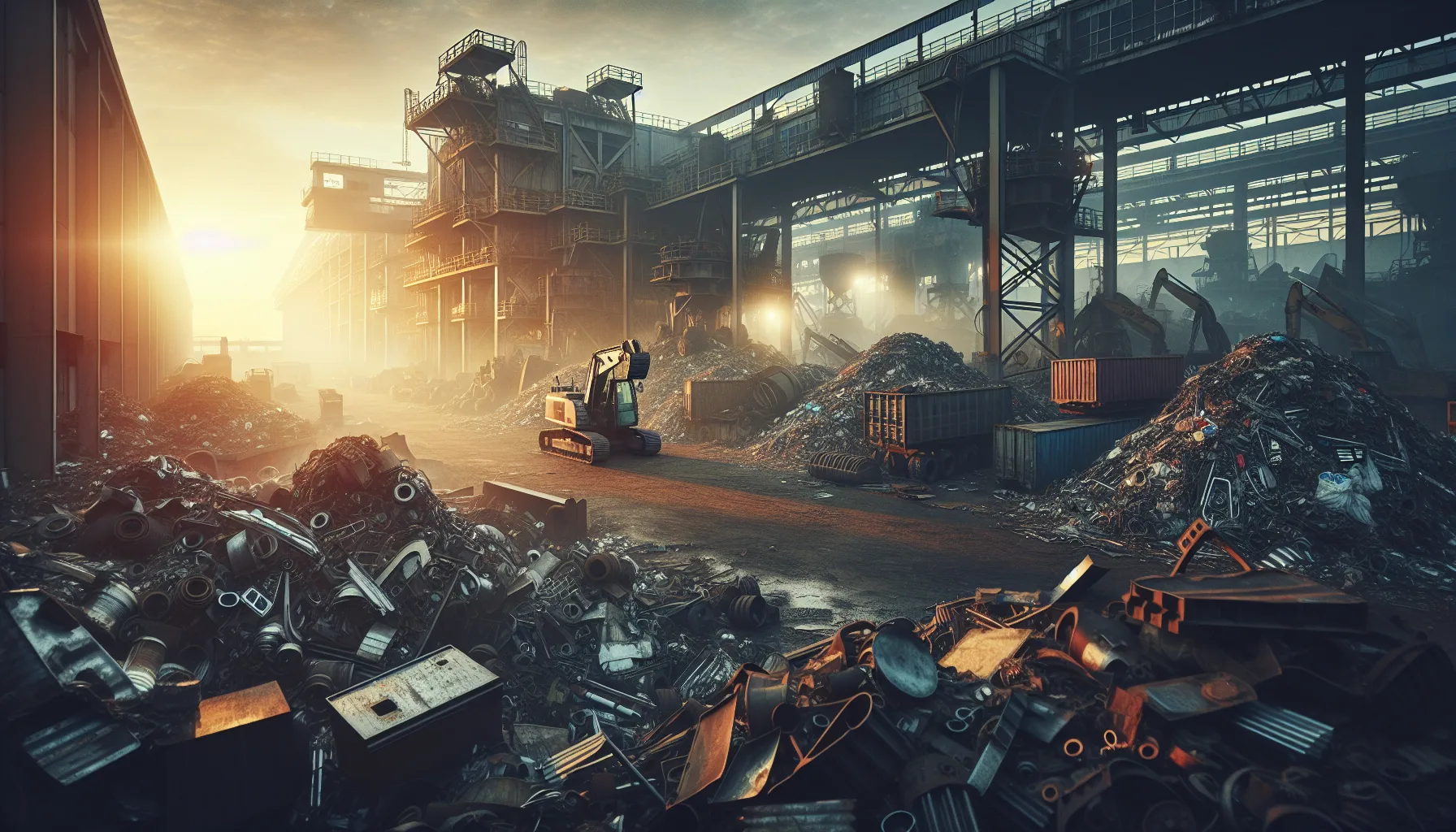
The car disposal industry generates over $25 billion annually in the United States, yet most car owners don't understand the key differences between junkyards, salvage yards, and auto recyclers. This confusion costs sellers hundreds of dollars when they need to sell your car for cash in the USA. Whether you're dealing with a totaled vehicle after an accident or an old car that won't start, knowing which type of business to approach can mean the difference between getting top dollar and settling for scrap prices.
Understanding these distinctions becomes crucial when you're searching for "we buy junk cars Tacoma" or similar services. Each business model operates differently, offers varying prices, and serves distinct purposes in the automotive recycling ecosystem. SMASH has revolutionized how these businesses connect with suppliers, but the fundamental differences remain important for sellers to understand.
Traditional Junkyards: The Original Car Graveyards
Traditional junkyards represent the oldest model in the automotive disposal industry. These businesses primarily focus on storing end-of-life vehicles in large outdoor lots, often with minimal organization or environmental controls. The business model centers around accumulating as many vehicles as possible, then selling parts to customers who physically visit the yard to pull components themselves.
Most traditional junkyards operate on a "you-pull-it" basis, where customers bring their own tools and remove parts from vehicles. This model keeps overhead costs low but limits the yard's ability to maximize vehicle value. Many traditional yards in Washington state struggle with environmental regulations that have tightened significantly over the past decade.
When you contact traditional junkyards for scrap car removal Tacoma services, expect lower offers compared to more sophisticated operations. These businesses typically pay based on scrap metal weight rather than evaluating vehicles for valuable components like catalytic converters, airbags, or electronic modules. The average traditional junkyard offers $200-400 for complete vehicles, depending primarily on current steel prices.
Traditional junkyards face increasing pressure from environmental regulations and zoning restrictions. Many have been forced to relocate outside urban areas or upgrade their operations significantly. This evolution has created opportunities for more modern business models to emerge and capture market share with better customer service and higher prices.
Salvage Yards: The Middle Ground Solution
Salvage yards evolved from traditional junkyards by adding more sophisticated inventory management and part removal services. These businesses actively dismantle vehicles to harvest valuable components, then sell parts through organized inventory systems. This approach generates significantly more revenue per vehicle than simply selling for scrap weight.
The salvage yard model focuses on vehicles that suffered damage but retain valuable components. Insurance companies often sell totaled vehicles to salvage yards, which then systematically remove and catalog usable parts. A typical salvage yard might generate $2,000-5,000 in parts revenue from a vehicle that would only bring $300 as scrap metal.
Salvage yards typically offer better prices to individual sellers because they can identify and extract high-value components. When searching for cash for cars Washington services, salvage yards often provide more competitive offers than traditional junkyards. They're particularly interested in newer vehicles with valuable electronics, late-model engines, and popular body parts.
However, salvage yards still operate with significant limitations. Most focus on local markets and lack the sophisticated pricing tools available through platforms like SMASH. Many salvage yard operators struggle to keep up with rapidly changing automotive technology and the specialized knowledge required to properly value modern vehicle components.
Auto Recyclers: The Modern Industry Standard
Auto recyclers represent the most advanced evolution in vehicle disposal and parts recovery. These businesses combine environmental responsibility with sophisticated business practices to maximize both vehicle value and resource recovery. Auto recyclers typically achieve 80-85% material recovery rates from processed vehicles, compared to 60-70% for traditional operations.
Modern auto recyclers invest heavily in equipment and training to properly handle complex automotive systems. They employ certified technicians who understand how to safely remove and test components like hybrid batteries, advanced safety systems, and computerized modules. This expertise allows them to offer significantly higher prices for vehicles with valuable components.
Environmental compliance represents a major advantage of working with licensed auto recyclers. These businesses maintain proper drainage systems, fluid recovery equipment, and disposal protocols for hazardous materials. When you need reliable scrap car removal Tacoma services, auto recyclers provide peace of mind that your vehicle will be processed according to all state and federal environmental regulations.
Auto recyclers also embrace technology solutions like SMASH to optimize their operations and pricing. By connecting with a broader network of buyers, these businesses can offer more competitive prices while expanding their market reach. The typical auto recycler pays 20-40% more than traditional junkyards for the same vehicle because they can maximize component value through sophisticated sales channels.
Price Differences and What They Mean for Sellers
The pricing gap between different business models can be substantial, especially for vehicles with valuable components. A 2020 Honda Accord with a damaged transmission might bring $400 at a traditional junkyard, $800 at a salvage yard, and $1,200 at a modern auto recycler. The difference comes down to each business's ability to identify and monetize valuable components.
Catalytic converters illustrate this pricing disparity perfectly. Traditional junkyards might pay $50-100 for a vehicle's catalytic converter, while businesses that the SMASH scrap metal auction marketplace connects can achieve market prices of $200-800 for the same component. This dramatic difference explains why some sellers choose to get a free car valuation from multiple sources before making a decision.
Geographic location also impacts pricing significantly. Junk car prices ohio markets differ from Tacoma pricing due to local competition, transportation costs, and regional demand patterns. Urban markets like Tacoma typically offer higher prices due to greater competition and better access to part buyers, while rural areas may have limited options and lower offers.
The key factor determining your vehicle's value isn't just its condition, but which type of business evaluates it. Auto recyclers with access to national parts networks and sophisticated pricing tools consistently offer higher prices than businesses operating with limited market knowledge. When you're looking for junk car buyers near me within 20 mi, comparing offers from different business types often reveals significant price variations.
Environmental and Legal Considerations
Environmental regulations have created a clear hierarchy in the automotive disposal industry. Auto recyclers lead in compliance and environmental responsibility, while some traditional junkyards struggle to meet modern standards. Washington state maintains particularly strict environmental requirements that affect how businesses can operate and what they must invest in infrastructure.
Proper fluid recovery represents a major compliance issue. Modern vehicles contain multiple types of fluids that require specialized handling and disposal. Auto recyclers invest in equipment to properly drain and process engine oil, transmission fluid, coolant, brake fluid, and refrigerants. Traditional junkyards often lack this equipment, creating potential environmental liabilities for both the business and vehicle sellers.
Title transfer and documentation requirements also vary between business types. Licensed auto recyclers maintain proper documentation systems to ensure clean title transfers and provide necessary paperwork for sellers. Some smaller operations may cut corners on documentation, potentially creating problems for sellers later. Always verify that any business you work with can provide proper title transfer documentation.
Choosing the right type of business protects both your interests and the environment. When you read car selling guides, you'll find that working with licensed, environmentally compliant businesses provides the best combination of fair pricing and responsible disposal practices.
Making the Right Choice for Your Situation
Your vehicle's condition, age, and location determine which type of business offers the best value. Newer vehicles with valuable components benefit most from auto recyclers who can properly evaluate and market sophisticated parts. Older vehicles with minimal resale value might find similar pricing across different business types, making convenience and service quality the deciding factors.
Technology integration has become increasingly important in the industry. SMASH and similar platforms help modern businesses achieve better pricing by connecting them with broader networks of buyers. Businesses that embrace these tools typically offer more competitive prices because they can access national markets rather than relying solely on local demand.
Customer service standards also vary significantly between business types. Auto recyclers typically offer more professional service, including free towing, prompt payment, and proper documentation. Traditional junkyards may provide adequate service but often lack the systems and training to deliver consistent customer experiences.
For Tacoma residents looking to sell vehicles quickly, the choice often comes down to balancing price with convenience. Modern auto recyclers generally provide the best combination of competitive pricing and professional service, while traditional junkyards might offer faster transactions with lower prices. Salvage yards represent a middle ground that works well for vehicles with moderate damage and valuable components.
The automotive recycling industry continues evolving rapidly, with technology and environmental regulations driving consolidation toward more sophisticated business models. Whether you need immediate cash or want to maximize your vehicle's value, understanding these differences helps you make informed decisions and avoid leaving money on the table. To sell your car for cash in the USA, get a free quote at cashforcars-usa.com and discover what your vehicle is really worth.
Frequently Asked Questions
Q: What's the main difference between a junkyard and an auto recycler?
Auto recyclers focus on maximizing component recovery and environmental compliance, while traditional junkyards primarily accumulate vehicles for scrap metal sales. Auto recyclers typically offer 20-40% higher prices because they can identify and sell valuable parts rather than just weighing vehicles for scrap.
Q: Do salvage yards pay more than junkyards for cars in Tacoma?
Yes, salvage yards generally offer higher prices than traditional junkyards because they actively remove and sell valuable parts. However, modern auto recyclers with access to platforms like SMASH typically provide the highest offers by connecting with national parts markets.
Q: How do I know if a business is environmentally compliant?
Licensed auto recyclers maintain proper environmental permits and can provide documentation of their compliance. Look for businesses that are certified by industry organizations and can show you their environmental management systems, including proper fluid recovery and disposal procedures.
Q: Can I sell my catalytic converter separately before selling my car?
While possible, selling components separately often reduces your vehicle's overall value and may create title transfer complications. Most reputable buyers prefer to purchase complete vehicles and handle component removal themselves to ensure proper documentation and legal compliance.
Q: What should I expect when getting quotes from different types of businesses?
Traditional junkyards typically quote based on scrap weight, while salvage yards and auto recyclers evaluate individual components. Auto recyclers with modern pricing tools usually provide the most detailed evaluations and highest offers, especially for vehicles with valuable electronics or catalytic converters.
Stay informed about the latest developments in automotive recycling and scrap metal markets by following SMASH on LinkedIn at https://www.linkedin.com/company/scrap-metal-auction-sales-hub for industry updates and market insights.