What Actually Happens When You Call a Junk Car Buyer — Step by Step
Most people have no idea what happens after they pick up the phone to sell a junk car. The process feels like a black box — you call, someone shows up, your car disappears, and maybe you get paid. But when you're sitting on a dead vehicle in your driveway in Houston, you deserve to know exactly what you're getting into before you agree to anything.
Here's the full breakdown. No guessing. No surprises.
Step 1 — Get a Quote Before Anyone Touches Your Vehicle
The process starts with a quote, and this is where most sellers make their first mistake. They call one buyer, accept the first number they hear, and never know if they left money on the table. For cash for junk cars Houston sellers, that's a costly habit — especially when scrap metal markets shift week to week.
A legitimate buyer will ask you a handful of questions before giving you a number:
- Year, make, and model of the vehicle
- Estimated weight or size class (sedan, truck, SUV, van)
- Current condition — does it run? Is it complete? Missing any major parts?
- Location for pickup (city, zip code, whether it's on private property or a public street)
- Title status — do you have the title in hand?
That last one matters more than most people realize. In Texas, you generally need a clear title to legally transfer ownership of a vehicle. If your title is lost, a replacement can usually be obtained through the Texas Department of Motor Vehicles — but factor in that extra step before you expect same-day pickup.
Platforms like SMASH are changing how this quote step works for scrap and salvage loads. Instead of calling one buyer and hoping for a fair number, sellers can put their inventory in front of multiple vetted buyers at once. More competition means better price discovery. If you're also sitting on non-ferrous metals or catalytic converters pulled from that junk car, tools like get competitive bids for your scrap metal can help you maximize what you recover from every component.
Step 2 — Accept the Offer and Schedule Pickup
Once you have a number you're comfortable with, you confirm the offer and lock in a pickup window. Most reputable junk car buyers in the Houston area offer same-day or next-day service — sometimes within a few hours if you're inside a major metro zone.
Before the truck shows up, do a quick walkthrough of your vehicle:
- Remove all personal belongings — glove box, trunk, under the seats
- Grab your license plates (in Texas, plates stay with the owner, not the vehicle)
- Locate your title and any spare keys
- Cancel your insurance on the vehicle after the sale is confirmed
One thing sellers often overlook: check whether any aftermarket parts — upgraded wheels, sound system, new battery — are worth pulling before the car goes to scrap. Once it leaves your driveway, those parts are gone. A quick check could put extra cash in your pocket on top of the base quote.
If you want a broader sense of what your vehicle might be worth before committing, get a free car valuation and see where you stand before the conversation starts.
Step 3 — The Pickup and the Paperwork
This is where the transaction actually happens. The driver arrives with a tow truck or flatbed — non-running vehicles almost always get flatbedded — and they'll do a quick inspection to confirm the vehicle matches what you described over the phone.
If everything checks out, you sign over the title. This is a critical step. In Texas, you fill in the odometer reading and the buyer's information on the back of the title, sign it, and hand it over. Never sign a blank title. A legitimate buyer will complete their portion before or during pickup — not after.
Payment happens at the time of pickup. Cash is the most common method for junk car transactions, though some buyers use certified check or digital transfer. Confirm the payment method before the truck arrives so there are no surprises.
Once the title is signed and the payment is in your hand, the car gets loaded and hauled away. The whole process — from the driver arriving to the car leaving — usually takes 20 to 30 minutes.
Step 4 — What Happens to Your Car After It Leaves
This part doesn't affect your wallet directly, but it's worth understanding — especially if you're comparing cash for cars Texas buyers and want to know who's operating legitimately.
Most junk cars go through a predictable processing chain:
- Depollution — Fluids are drained. Gas, oil, coolant, brake fluid, and refrigerant are all removed and handled according to environmental regulations. In Texas, this is regulated at the state level and buyers operating legally will have this covered.
- Parts salvage — Usable parts get pulled and sold separately. Engines, transmissions, doors, glass, and electronics all have secondary markets. This is where salvage yards make a significant portion of their margin.
- Catalytic converter removal — Cats contain platinum, palladium, and rhodium. They're valuable and are always pulled before a car gets crushed. If your car still has its cat, that's factored into what a buyer is willing to pay.
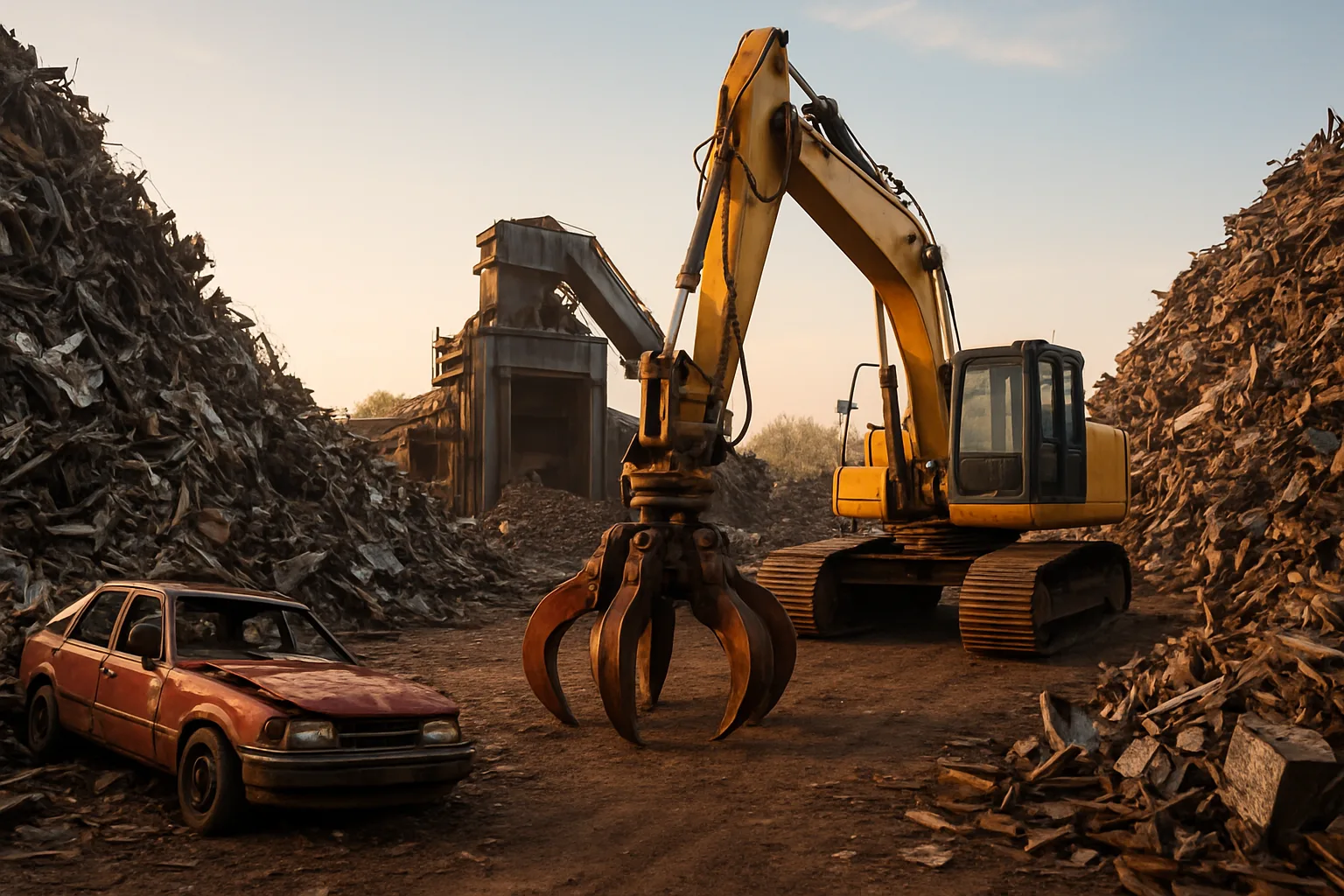
- Crushing and shredding — The hulk gets flattened and shredded into ferrous scrap — primarily steel — which is sold to mills and foundries. A standard passenger car yields roughly 1 to 1.5 tons of ferrous metal, though actual scrap car value per ton varies with the commodity market.
Understanding this chain helps you ask smarter questions when you get a quote. Buyers who are vague about how they value your car are often buyers who are undervaluing it. You can read car selling guides to understand exactly how junk car pricing is calculated before you start taking calls.
How Houston Sellers Can Get More for Their Junk Cars
Houston is one of the largest metro areas in the country, which means there's real competition among junk car buyers here. That competition works in your favor — but only if you use it. Calling one buyer and accepting one offer is leaving money behind.
A few things Houston and Texas sellers can do to get a stronger return:
- Get multiple quotes. Call three or four buyers. The spread between the lowest and highest offer on the same vehicle can be significant.
- Know what's in your car. If your vehicle has a full catalytic converter, working airbags, or a newer battery, mention it. Those components add real value.
- Time your sale strategically. Scrap steel prices move with global commodity markets. If prices are trending up, waiting a week or two can sometimes yield a better number — though markets can move in either direction.
- Don't ignore the non-ferrous metals. Aluminum, copper wiring, and the metals in your catalytic converter are worth more per pound than steel. Make sure your buyer is accounting for those components, or consider selling them separately.
For sellers who also deal in loads of scrap metal beyond a single vehicle — think yards, fleet operators, or anyone recycling in volume — SMASH puts your material in front of vetted buyers who compete for it. That's a fundamentally different model than calling your usual contact and hoping the price is fair. You can sell your car for cash in the USA through established channels, and layer in auction-based price discovery for the scrap components that come off it.
If you're in the Houston area and want a local starting point, check out available Houston scrap metal services to understand what buyers in your market are currently paying.
What to Watch Out For — Red Flags in the Junk Car Process
Not every sell my car for cash Houston transaction goes smoothly. There are buyers out there who quote high on the phone and then drop the offer when the truck shows up — a practice called "lowballing on delivery." Here's what to watch for:
- Price drops at pickup. If a buyer quotes one number and suddenly finds "problems" when the driver arrives, walk away. The quote should be the price.
- Pressure to sign a blank title. Never do this. A blank signed title can be used fraudulently. Fill in the buyer's information before you sign.
- No written confirmation of the offer. Get the quote in writing — email, text, or printed receipt. Verbal agreements create problems.
- Buyers who won't confirm their license. In Texas, auto recyclers and salvage dealers are required to be licensed. Ask. A legitimate buyer won't hesitate.
- No payment at pickup. Payment happens when the car is loaded. If a buyer wants to pay you later, that's a red flag.
Doing a bit of homework before you commit to a buyer protects you from the worst of these situations. Check reviews. Confirm they're licensed. Get the offer in writing. It takes 10 minutes and can save you significant headache.
Frequently Asked Questions
Q: How long does the junk car removal process take in Houston?
Most junk car pickups in the Houston area happen within 24 to 48 hours of accepting an offer. Same-day service is available from many buyers, particularly for vehicles located within the main metro zone. The actual pickup itself — driver arriving to car being loaded — typically takes 20 to 30 minutes.
Q: Do I need the title to sell my junk car in Texas?
Yes, in most cases you need a clear title to legally transfer a junk car in Texas. If you've lost your title, you can apply for a replacement through the Texas Department of Motor Vehicles. Some buyers will work with a bonded title or other documentation in specific situations — ask the buyer directly about their requirements before scheduling pickup.
Q: How is the value of a junk car calculated?
Buyers consider the vehicle's weight, make and model, condition, completeness (whether parts like the catalytic converter, battery, and engine are still present), and current scrap metal market prices. The scrap car value per ton of steel fluctuates with commodity markets, so your quote today may differ from a quote next week. Always check current rates before committing.
Q: What's the difference between a junk car buyer and a scrap yard?
A junk car buyer typically comes to you — they tow the vehicle and pay you on the spot. A scrap yard is a physical location where you deliver the metal yourself. Both ultimately process vehicles into recycled metal, but the pickup service is the key difference. For most private sellers, a buyer with towing service is more convenient.
Q: Can I sell a car for cash in Houston if it doesn't run?
Absolutely. Non-running vehicles are among the most common cars that cash for junk cars Houston buyers deal with. As long as you have the title and the vehicle is accessible for a flatbed or tow truck, condition is rarely a barrier. Buyers factor non-running status into the quote upfront — it should not be used as an excuse to drop the price at pickup.
If your junk car has been sitting long enough, it's time to stop watching it depreciate. The process is straightforward when you know the steps — and getting multiple offers before you commit makes a real difference. Head to cashforcars-usa.com to get a free quote and see what your vehicle is worth today.
Stay ahead of scrap metal market shifts and industry news by following SMASH on LinkedIn — practical updates for recyclers and sellers who want to know what the market is actually doing.