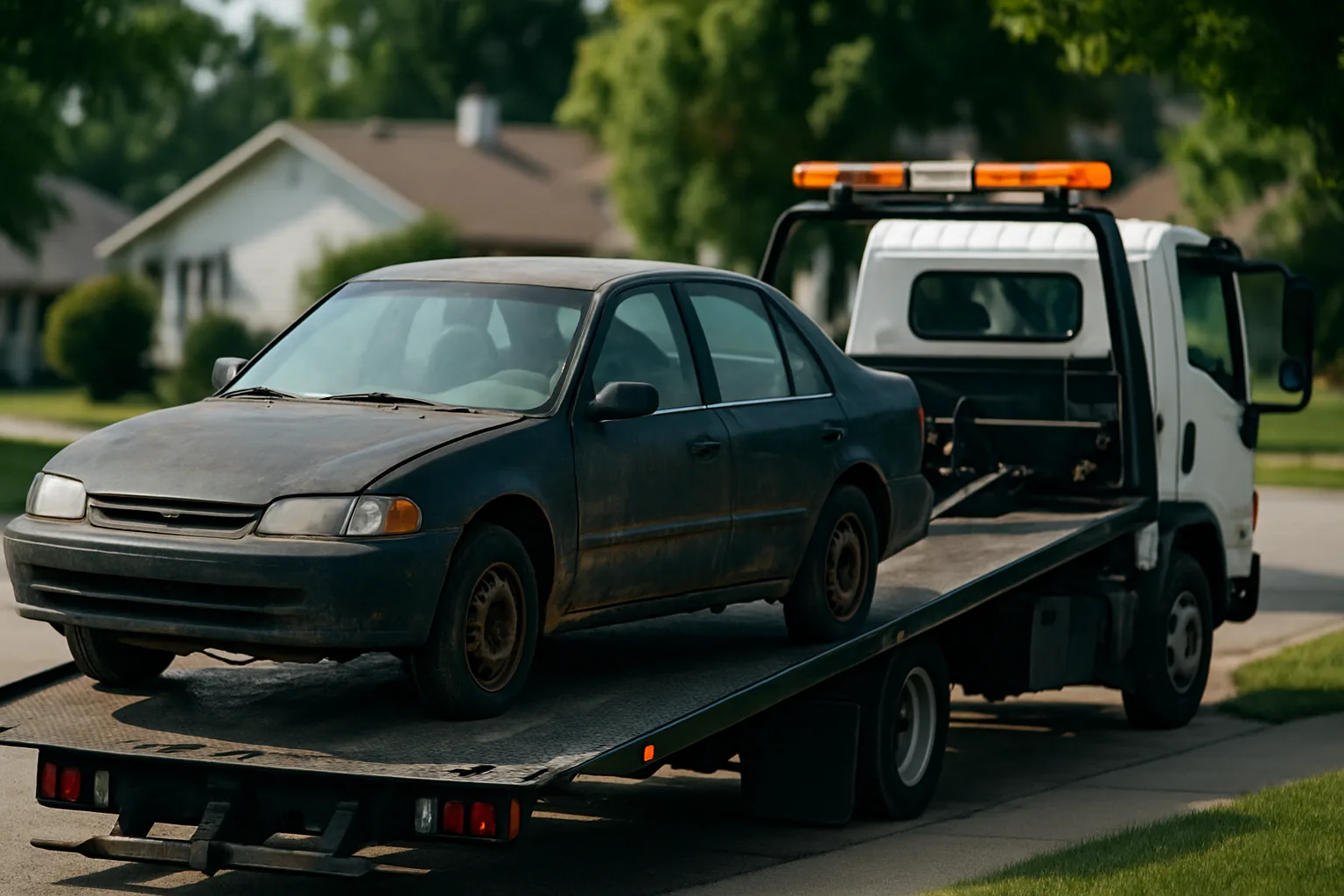
Most people have no idea that the car sitting in their driveway — the one that hasn't moved in two years — contains over 25 recyclable materials. Steel, aluminum, copper wiring, platinum-group metals in the catalytic converter, even the glass and rubber. When you choose to sell my junk car San Diego the right way, you're not just clearing space. You're keeping hundreds of pounds of material out of a landfill.
Eco-friendly car disposal has moved from a niche concern to a mainstream expectation in 2026. California has long led the country on environmental standards, and the recycling infrastructure around end-of-life vehicles has grown significantly to match. If you've got a scrap car, a non-runner, or a high-mileage beater you're done with, this guide breaks down what actually happens to it — and how to make sure you get paid fairly in the process.
What "Eco-Friendly Car Disposal" Actually Means in 2026
The term gets thrown around loosely. Let's be specific. A genuinely eco-responsible vehicle disposal process follows a documented chain — from depollution to dismantling to shredding. Every step matters, and in California, state regulations require licensed recyclers to follow strict protocols before a vehicle reaches the crusher.
Here's what a compliant, environmentally responsible disposal process looks like:
- Depollution first: All fluids — engine oil, coolant, brake fluid, transmission fluid, refrigerant — must be drained and properly managed before any dismantling begins. These fluids are hazardous. Spilling them into the ground isn't just bad for the environment; it's a violation.
- Part harvesting: Usable parts (engines, transmissions, doors, alternators) get pulled and resold. This extends the life of those components and reduces demand for newly manufactured parts.
- Battery removal: With more EVs and hybrids on the road, battery handling has become a critical step. High-voltage battery packs require specialized handling — they can't just be tossed.
- Catalytic converter recovery: The cats come off. They contain platinum, palladium, and rhodium — precious metals worth recovering. These get sold separately through commodity channels.
- Shredding and sorting: What's left goes to a shredder. The resulting material — shredder fluff, ferrous metal, non-ferrous — gets sorted and sold into commodity markets.
In San Diego, the proximity to the border and a large volume of end-of-life vehicles moving through the region means the local recycling infrastructure is active and competitive. That's actually good news for sellers — more buyers typically means better price discovery.
Why California Sellers Face a Different Regulatory Landscape
California doesn't mess around when it comes to vehicle-related environmental rules. The California Department of Motor Vehicles, the Department of Resources Recycling and Recovery (CalRecycle), and the Bureau of Automotive Repair all play a role in how end-of-life vehicles are handled.
A few things California sellers specifically need to know in 2026:
- Title transfer is mandatory. You cannot legally sell a vehicle in California without transferring the title. If your title is lost, you'll need to apply for a duplicate through the DMV before the sale. Buyers who skip this step are a red flag.
- Notice of Release of Liability. File this with the California DMV the moment the car leaves your hands. This protects you from any future tickets, tolls, or incidents tied to the vehicle's VIN after the sale.
- Smog exemption for junk cars. If you're selling a vehicle to a licensed dismantler or junk dealer, you are generally exempt from the smog certificate requirement. You do not need to pass smog to sell a scrap car — but confirm this with the buyer upfront.
- Catalytic converter documentation: California's laws around catalytic converter transactions have tightened significantly in recent years. Licensed buyers are required to keep detailed records. Make sure whoever buys your car documents the transaction properly.
If you're looking to sell your car for cash in the USA, working with a buyer who understands California compliance isn't optional — it's essential. Non-compliant transactions can leave you holding liability you didn't expect.
How Scrap Car Value Is Actually Determined — And Why You're Probably Underestimating It
Most car owners assume their junk car is worth almost nothing. That assumption costs them real money. Understanding how much is my car scrap value comes down to a few concrete factors — and none of them require you to be a metals expert.
Weight is the baseline. A full-size pickup truck might weigh 3,500–4,500 lbs. A compact sedan might come in at 2,500–3,000 lbs. Since scrap metal pricing is based on price-per-ton, a heavier vehicle starts at a higher floor. The ferrous (steel and iron) content typically makes up the bulk of the vehicle's weight, and that's priced against the current shredded steel market rate.
Beyond weight, here's what moves the number:
- Catalytic converter condition and type: A working cat from a late-model truck or SUV can be worth significantly more than the rest of the scrap metal combined. Don't let a buyer ignore this.
- Non-ferrous metals: Aluminum wheels, copper wiring, and brass fittings all get sorted out and priced separately. These command higher prices per pound than steel.
- Drivability or parts value: If the car runs, or if major components (engine, transmission) are intact and functional, a parts buyer may outbid a scrap buyer. Don't assume scrap is your only market.
- Current commodity markets: Steel and non-ferrous metal prices fluctuate daily based on global demand, trade conditions, and regional supply. What your neighbor got for their car six months ago may not reflect what you'll get today.
Disclaimer: Metal commodity prices fluctuate constantly. Always check current rates before accepting an offer — what's listed in any article reflects general market dynamics, not today's actual pricing.
If you want to get a free car valuation without guessing, platforms that connect sellers to multiple buyers — like SMASH — exist specifically to solve this problem. More buyers bidding on your load means better price discovery. You're not locked into one yard's number.
The Old Way vs. the SMASH Way: Why One Phone Call Isn't Enough
Here's how most people sell a junk car: they call one local buyer, get one number, and either take it or leave it. The problem isn't that the buyer is dishonest. The problem is that you have no frame of reference. You don't know if that number is fair, low, or insulting.
The old way works great — for the buyer. They're the only one with information. You're guessing.
A scrap metal auction platform flips that dynamic. Instead of one call, your vehicle gets in front of multiple vetted buyers competing for it. The competition itself drives better pricing. It's not magic — it's basic market mechanics. You can find the best price for your scrap on SMASH by letting buyers compete rather than settling for whoever answers the phone first.
SMASH also brings documentation infrastructure that matters for eco-conscious sellers. Photo documentation, VIN lookup, serial tracking — these aren't just admin tools. They create a paper trail that supports responsible recycling practices and protects the seller if questions arise later about the vehicle's chain of custody.
For San Diego sellers specifically, a competitive bidding process makes sense given the density of recycling operations in Southern California. The market is active. Multiple buyers means the price you get should reflect real demand — not one yard's margin targets for the week.
How to Sell My Car Fast San Diego Without Cutting Corners on Compliance
Speed and compliance aren't opposites. You can move quickly and do it right. Here's a practical sequence for San Diego sellers who want both:
- Locate your title. If it's missing, order a duplicate from the California DMV immediately. This is the most common delay in the process.
- Remove personal belongings. Check every compartment, the trunk, and under the seats. People lose valuable items — and personal documents — in cars they sell in a rush.
- Pull your plates. In California, license plates stay with the seller, not the vehicle. Remove them before the car is picked up.
- Get multiple offers. Don't accept the first number you hear. Put the vehicle in front of at least two or three buyers. Platforms like SMASH make this step efficient without requiring you to make a dozen cold calls.
- Confirm the pickup logistics. Know exactly when the tow is scheduled, who's coming, and what paperwork they'll bring. A legitimate buyer brings a bill of sale and handles the title transfer at pickup.
- File your Notice of Release of Liability. Do this the same day the car leaves. The California DMV's online system makes it fast. Don't skip it.
If you want to sell scrap car in California without the runaround, the process above keeps you protected at every step. No surprises, no liability left behind. For more practical guidance, read car selling guides that walk through specific scenarios — including non-runners, missing titles, and estate vehicles.
For San Diego-specific pickup, documentation, and local recycling options, explore our San Diego scrap metal services page to get started with a buyer who knows the local market.
The Environmental Case for Doing This the Right Way
Selling your junk car isn't just a financial decision in 2026. It carries real environmental weight. A single end-of-life vehicle, improperly disposed of, can leach oil, coolant, and battery acid into soil and groundwater over time. In a state with California's water resource pressures, that matters.
When you sell through a licensed, documented channel, you're ensuring that depollution happens correctly. The fluids get handled. The hazardous materials get managed. The steel goes back into the supply chain. And the platinum in the catalytic converter doesn't end up in a landfill — it gets recovered and reused.
The recycling industry recovers roughly 80–85% of a vehicle's materials by weight when processed correctly. That's not nothing. That's the equivalent of hundreds of pounds of material staying out of a landfill and going back into manufacturing instead.
If you're done with a vehicle and ready to move it, the right move is straightforward: find a vetted buyer, get competitive offers, handle your paperwork, and let the recycling process do what it's designed to do. Cash For Cars USA connects sellers across the country — including right here in San Diego — with buyers who operate responsibly and pay fairly. Sell your car for cash in the USA — get a free quote at cashforcars-usa.com and know you're getting a real number from a legitimate buyer who handles the environmental side properly.
Frequently Asked Questions
Q: Do I need a smog certificate to sell my junk car in San Diego?
If you're selling to a licensed dismantler or junk vehicle buyer in California, you are generally exempt from the smog certificate requirement. However, if you're selling to a private party, smog may still be required. Always confirm the exemption applies before completing the sale.
Q: How do I find out my scrap car value without calling every yard in San Diego?
The most efficient approach is to use a platform that puts your vehicle in front of multiple vetted buyers simultaneously. SMASH operates as a scrap metal auction platform that creates price competition without requiring you to make cold calls to every recycler in the region. More buyers bidding means you're more likely to see the actual market rate.
Q: What happens to my car after I sell my junk car in San Diego?
A licensed recycler will depollute the vehicle first — draining all fluids and removing hazardous components. Usable parts get harvested. The catalytic converter is removed for precious metal recovery. What remains goes through an industrial shredder, and the resulting metals are sorted and sold into commodity markets. Roughly 80–85% of the vehicle's weight is recoverable material.
Q: Is it legal to sell a car in California without a title?
No. Title transfer is required under California law. If your title is lost or damaged, apply for a duplicate through the California DMV before attempting to sell. Some licensed dismantlers can work with a bonded title or a DMV-issued duplicate — but a buyer who says you don't need a title at all is a red flag.
Q: How fast can I sell my car fast in San Diego if it doesn't run?
Most legitimate junk car buyers in the San Diego area offer towing and pickup within 24–48 hours of a confirmed offer. The key is having your title ready. If you're missing the title, the process slows down until the DMV duplicate is processed. Get that handled first and the rest moves quickly.
Stay ahead of scrap metal market trends and industry news by following SMASH on LinkedIn: linkedin.com/company/scrap-metal-auction-sales-hub. Market conditions shift fast — it's worth staying informed.