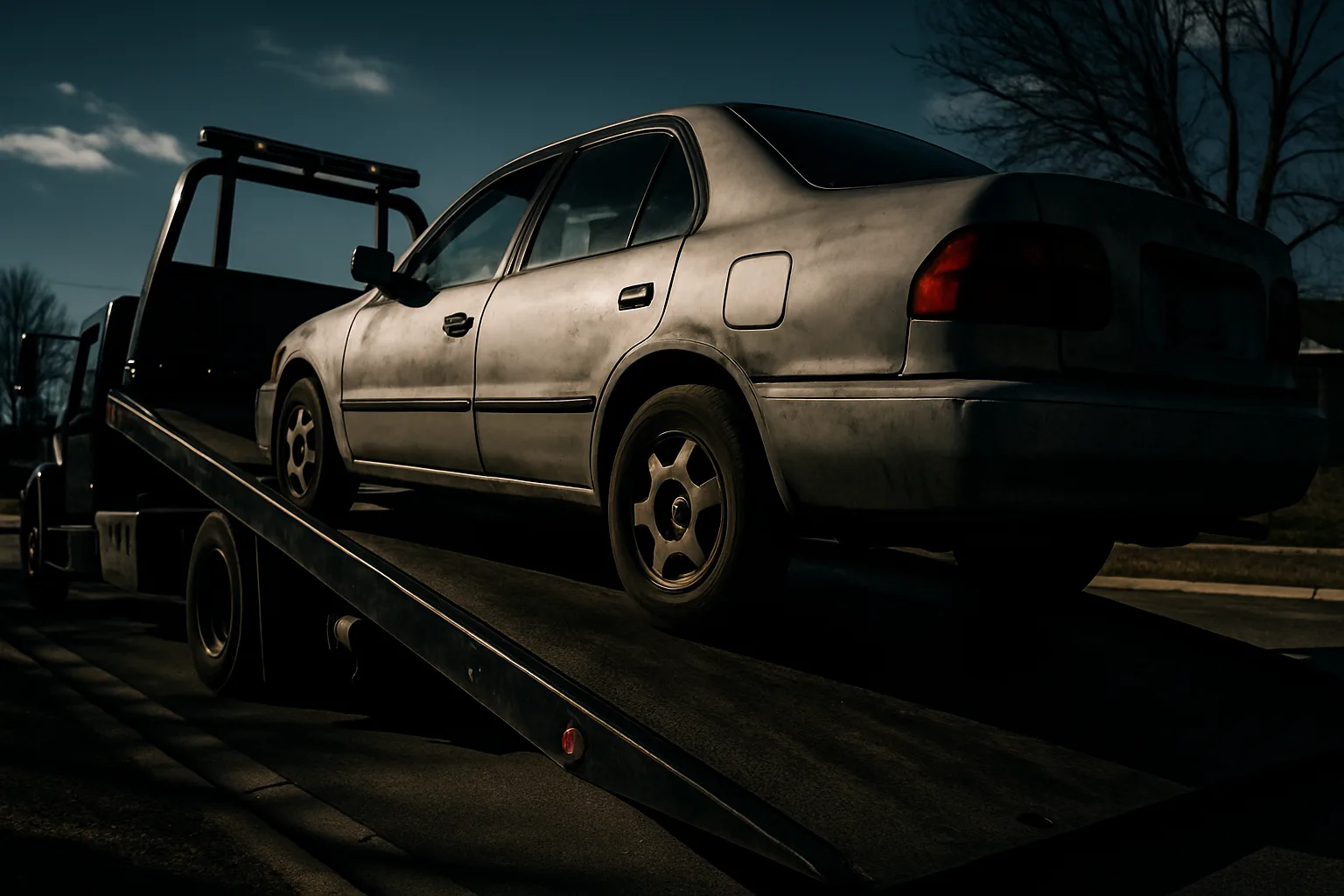
Not All Scrap Cars Are Worth the Same — Here's Exactly Why
You've got a dead car sitting in your driveway and someone offers you $200 for it. Your neighbor sells his old pickup and walks away with $800. Same city, same week, same "junk car" situation — totally different payout. If you're trying to sell my car for cash Jersey City, that gap probably feels frustrating. But it's not random. Scrap car prices follow real logic, and once you understand it, you can work it to your advantage.
This breakdown covers the exact factors that drive scrap car valuations — make, model, condition, metal content, and more. No guesswork. Just the variables that actually move the number.
Why Your Car's Make and Model Matter More Than You Think
The brand stamped on your hood isn't just a status symbol. It's a direct indicator of what's inside the vehicle — and what buyers actually want from it. A full-size American pickup truck carries significantly more steel than a compact Japanese sedan. More steel means more scrap weight, and more scrap weight means a higher payout at the yard.
But weight isn't the only story. Make and model also determine parts demand. If you're scrapping a vehicle that's still common on the road, buyers know those components have resale value. Engines, transmissions, doors, axles — all of that gets factored in before anyone quotes you a price. A 2018 Ford F-150 has a massive parts ecosystem. A 2009 economy sedan with 200,000 miles? Not so much. Here's how different vehicle categories typically stack up:
- Full-size trucks and SUVs: Higher scrap value due to heavier steel frames, larger engines, and strong used parts demand
- Domestic sedans (Chevy, Ford, Chrysler): Moderate value — decent parts market, average steel weight
- Import compacts: Lower scrap weight but sometimes offset by specific parts demand (transmissions, ECUs)
- Luxury vehicles: Vary widely — aluminum-intensive builds can boost non-ferrous value but hurt ferrous scrap weight
- Vans and cargo vehicles: Solid scrap returns — large body panels, heavy frames, high steel content
Buyers in Jersey City and across New Jersey see a wide mix of vehicles. Dense urban areas mean lots of older sedans and import models. Knowing your vehicle's position in that market helps you understand where your quote is coming from — and whether it's fair.
Condition Is a Multiplier, Not Just a Checkbox
Junk car buyers don't just want metal. They want usable metal — and usable parts. The condition of your vehicle acts as a multiplier on everything else. A truck with a seized engine is still worth more if the body is solid and the catalytic converter is intact. A car that's been in a rollover, stripped by thieves, or sitting in standing water for three years? That's a different conversation entirely.
Here are the condition factors that consistently affect your payout when you sell my junk car Jersey City:
- Drivability: Running vehicles almost always command a premium over non-runners. Even if it barely moves, it often means the drivetrain has more value
- Catalytic converter presence: Cats contain platinum, palladium, and rhodium — all high-value non-ferrous metals. A missing cat can reduce your quote significantly
- Body damage: Rust, flood damage, and collision damage affect both scrap weight (weakened metal) and parts value
- Interior condition: Less relevant for pure scrap, but matters if the buyer resells whole vehicles or parts
- Fluid leaks and fire damage: Environmental liability issues that some yards won't touch without added cost
- Missing components: Battery, wheels, and engine parts all have individual scrap or resale value. If they're gone, the quote reflects that
The honest truth: buyers price risk. If your car requires extra handling, specialty equipment, or creates compliance headaches, that cost gets subtracted from your offer. Document what you have — photos, known issues, existing parts — and you give the buyer fewer reasons to low-ball you.
Steel Weight vs. Non-Ferrous Metals: Where the Real Money Hides
Most people think scrap cars are just about weight. Heavier car, bigger check. That's partially true — but it misses the non-ferrous layer entirely, and that's where prices get interesting.
Your average passenger vehicle is roughly 65–70% steel by weight. That steel gets priced at whatever the current ferrous scrap market rate is — and those rates fluctuate week to week based on mill demand, export volumes, and commodity cycles. If you're selling in a soft steel market, your base price drops even if nothing else changes.
But vehicles also contain copper wiring, aluminum components, and the platinum-group metals inside the catalytic converter. On some vehicles — particularly hybrids and newer model trucks — the non-ferrous content is substantial. That's why scrap metal inventory management matters for yards: they need to accurately catalog what's ferrous, what's non-ferrous, and what's parts-grade before making an offer. Platforms like find the best price for your scrap on SMASH help yards document and present that mixed inventory in a way that attracts multiple buyers — creating real price competition instead of a single take-it-or-leave-it quote.
For you as a seller, this means one thing: don't accept a flat "scrap price" without asking whether the buyer is accounting for the cat, the wiring harness, or any aluminum content in the vehicle. A transparent buyer breaks it down. A buyer just looking to flip you fast won't.
The Title Question: What Happens When You Sell Car for Scrap No Title
Here's one of the most common questions from Jersey City and New Jersey sellers: "I don't have the title. Can I still sell?" The short answer is yes — but it's more complicated, and it affects your price.
Most legitimate scrap car removal near me services will work with no-title vehicles under certain conditions. New Jersey has specific requirements around title transfers and junking affidavits. Without a title, buyers take on more risk and more paperwork. That risk typically gets reflected in a lower offer — not because your car is worth less, but because the transaction costs the buyer more.
Here's what to have ready if you're going the sell car for scrap no title route:
- Proof of ownership in another form — registration, insurance documents, or a bill of sale
- A valid government-issued ID matching the name on available documents
- Knowledge of your state's junking process — New Jersey DMV has specific procedures for title replacement
- Willingness to sign a seller's affidavit if the buyer requires it
If you can get a duplicate title before selling — even if it takes a few days — it often pays off. You open the door to more buyers, cleaner transactions, and better offers. It's worth the $20 DMV fee in most cases.
How to Actually Get a Fair Price When You Sell My Car for Cash Jersey City
Knowing why prices vary is useful. But translating that knowledge into a better offer is the real goal. Here's what separates sellers who get fair market value from sellers who get lowballed:
- Get multiple quotes: One quote is a guess. Three quotes is a market. Never accept the first number you hear — especially for vehicles with known parts value
- Document your vehicle thoroughly: Photos of the VIN, all four sides, the engine bay, and any notable damage. Buyers who can see exactly what they're getting bid more confidently
- Know your weight: Your vehicle's curb weight is listed on the door jamb sticker. It's a starting point for understanding the scrap math
- Confirm the cat is present: Before calling anyone, verify the catalytic converter is still under the car. This is the single most commonly stolen component on parked vehicles
- Ask about pickup: Many services offer free scrap car removal near me as part of the deal. If they're charging you for towing, factor that into your net payout
For sellers in Jersey City specifically, location works in your favor. You're in a dense metro area with multiple competing buyers, yards, and services operating across Hudson County and the broader New Jersey market. Competition exists — you just have to access it. That's exactly what tools like SMASH are built for. Yards using find the best price for your scrap on SMASH bring vetted buyers into a competitive auction format, so the market — not a single buyer's mood — sets the price.
When you're ready to sell your car for cash in the USA, go in with documentation, go in with multiple quotes, and don't leave the cat out of the conversation. The difference between a $300 offer and a $700 offer often comes down to those three things. You can also get a free car valuation before you commit to anything — knowing what your vehicle is worth puts you in the driver's seat.
Want to understand more about how scrap markets move? Read car selling guides that break down pricing, timing, and what buyers are actually looking for.
Scrap car prices aren't random. They're driven by real variables — and now you know exactly what they are. If you're in Jersey City or anywhere across New Jersey, the market is there. Work it.
Ready to turn that sitting vehicle into cash? Sell your car for cash in the USA — get a free quote at cashforcars-usa.com and find out what your car is actually worth today.
Frequently Asked Questions
Q: How do I sell my car for cash in Jersey City if I don't have the title?
You can still sell in many cases — bring alternative proof of ownership like your registration or insurance documents, plus a valid ID. New Jersey has a process for junking affidavits, but getting a duplicate title from the DMV first will typically get you better offers and more buyer options.
Q: What makes a junk car worth more money in Jersey City?
The biggest value drivers are vehicle weight (more steel), a present and intact catalytic converter, a running engine, and solid body condition. Full-size trucks and SUVs consistently pay more than compact sedans at scrap — weight and parts demand both work in your favor with larger vehicles.
Q: How long does scrap car removal take in Jersey City?
Most reputable buyers in the Jersey City area can schedule a pickup within 24–72 hours of accepting an offer. Same-day service is available through some buyers, though it may narrow your options. Have your documents ready and confirm the towing arrangement before you agree to anything.
Q: Does the catalytic converter really affect my scrap car quote that much?
Yes — significantly. Catalytic converters contain platinum-group metals that trade at high values on the non-ferrous market. A missing cat can reduce your quote by anywhere from a noticeable to a substantial amount depending on the vehicle. Always confirm it's still on the car before you call for a quote.
Q: Are scrap car prices the same across New Jersey, or do they vary by location?
They vary. Prices shift based on local scrap yard demand, proximity to processing facilities, current steel and non-ferrous market rates, and how many buyers are competing in your area. Jersey City sellers benefit from being in a dense metro market with multiple buyers operating nearby — use that competition to your advantage by getting at least two or three quotes before committing.
Follow SMASH on LinkedIn for scrap metal market updates, industry insights, and platform news — useful whether you're running a yard or just want to understand what drives the prices you're seeing.