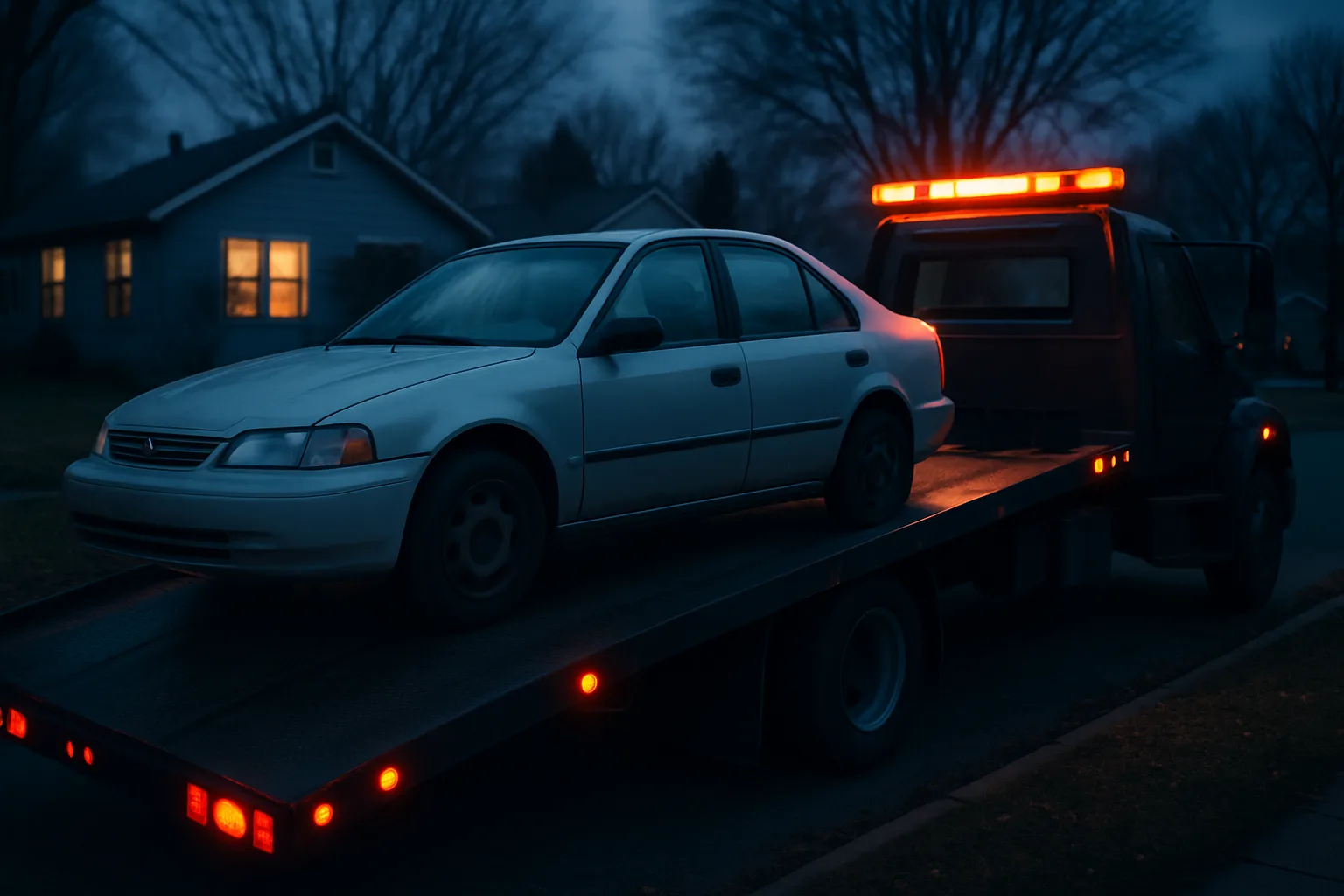
Most car owners think scrap prices are random. They're not — but they do move with the seasons, and if you're sitting on a junk car in St. Paul, timing your sale could make a real difference in what you walk away with.
Weather patterns, regional demand, and commodity market cycles all push scrap car values up and down throughout the year. Understanding those cycles doesn't require a finance degree. It just requires knowing what drives the numbers — and when to move.
If you're researching scrap car removal St. Paul or trying to figure out the best moment to call a junk car buyer, this guide breaks down exactly how the seasons affect your payout and what you can do about it.
Why Scrap Car Prices Aren't Flat Year-Round
Steel, copper, and aluminum — the core materials inside any junk vehicle — trade on commodity markets that respond to global demand, energy costs, and manufacturing activity. Those markets don't take a break in January. But the scrap industry itself does slow down, speed up, and shift depending on the time of year.
Several forces drive seasonal price swings:
- Steel mill demand cycles: Mills ramp up production in spring and fall to meet construction and manufacturing demand. Higher mill activity means stronger demand for shredded scrap — and better prices for sellers.
- Dealer inventory swings: When yards get flooded with vehicles after a harsh winter (more accidents, more breakdowns), supply goes up and per-unit prices can soften.
- Operational capacity: Processing slows during deep freezes. Equipment has limits. Yard staff shrinks. Fewer loads move, which affects how aggressively buyers are bidding.
- Export shipping windows: A significant portion of processed scrap moves overseas. Shipping schedules and port congestion fluctuate seasonally, affecting what overseas buyers will pay — which trickles back to yard-level pricing.
None of this is hidden information. But most private sellers never factor it in when they decide to sell their car for cash in the USA. Platforms like SMASH exist specifically to help sellers get competitive bids regardless of season — because multiple vetted buyers bidding at once creates better price discovery than a single cold call ever will.
Winter in Minnesota: High Volume, Compressed Payouts
Minnesota winters are brutal. St. Paul regularly sees temperatures drop well below zero, road salt tears through undercarriages, and ice-related accidents spike between December and February. All of that pushes a wave of damaged and totaled vehicles into the scrap market at the same time.
The problem? When supply spikes, prices don't necessarily follow. Yards in the St. Paul area take in more vehicles during and after harsh winters, but processing backlogs, frozen ground conditions, and reduced equipment efficiency mean they're not always in a rush to bid competitively for your car. You're one of many sellers — and the yard knows it.
Winter-specific factors that affect your payout in Minnesota:
- Road salt corrosion reduces the recoverable metal value of vehicles — more rust means less clean scrap
- Flood and freeze-thaw damage to electronics and drivetrains lowers whole-car value from parts buyers
- Towing logistics get complicated and expensive in deep winter, which some buyers factor into their offers
- Mill demand tends to be softer in Q1 before construction season picks up
This doesn't mean you shouldn't sell in winter — sometimes you don't have a choice. But knowing that Q1 is typically a softer pricing window helps you set realistic expectations and shop your car to more than one buyer. If you're searching for junk car buyers near me St. Paul in January, don't settle for the first number you hear.
Spring and Early Summer: The Sweet Spot for Sellers
March through June is historically the strongest window for scrap car pricing, and that pattern holds across Minnesota and most of the northern United States. A few things converge to make spring the most favorable season for sellers.
Construction activity ramps hard after the thaw. Steel mills increase output. Shredders run at higher capacity to meet demand. And buyers — both domestic processors and exporters — are actively competing to fill their pipelines. Competition between buyers is exactly what drives your price up.
Spring also brings practical advantages for sellers in St. Paul:
- Towing is easier, faster, and often cheaper — which can translate into better net offers
- Parts salvage buyers are more active, especially for drivetrains and body panels in better condition
- Higher ambient temperatures mean smoother yard operations and faster processing times
- Post-winter cleanup drives private sellers to finally move that junk car that's been sitting in the driveway since November
If you have flexibility on timing, spring is when you want to be asking about scrap car value near me. Document your vehicle thoroughly — photos, VIN, any salvageable parts — and put it in front of multiple buyers. That's the move that actually captures spring market strength instead of just hoping a single buyer gives you a fair number.
Good scrap metal inventory management matters here. Whether you're a private seller with one car or a dealer moving a batch of end-of-life vehicles, organized documentation gets better results. Buyers bid higher when they can see exactly what they're getting. SMASH's inventory tools are built around this — photo documentation, VIN lookup, serial tracking — so sellers go into the auction with credibility instead of question marks.
Fall Demand and the Pre-Winter Rush
September and October represent a second pricing uptick for scrap car sellers. Fall construction deadlines push steel demand before the ground freezes. Yards that ran lean over summer are building inventory. And buyers who export processed scrap are trying to ship before winter slows the logistics chain.
For sellers in the St. Paul area, fall is another solid window. You're ahead of the winter corrosion season, which means your vehicle still has maximum recoverable value. And you're selling into a market where buyers need material — not a market flooded with post-storm accident vehicles.
Fall-specific considerations:
- If you have non-ferrous components — copper wiring, aluminum wheels, stainless exhaust — fall demand for those materials is often strong ahead of manufacturing slowdowns
- Parts buyers are active before the slow winter repair season shifts demand
- Get your car documented and listed early in fall — don't wait until November when the pricing window starts to close
You can get a free car valuation any time of year, but fall is when acting quickly pays off. The window between peak demand and winter slowdown is shorter than most sellers realize.
How to Protect Your Payout Regardless of Season
Seasonal timing matters, but it's not the only lever you have. The gap between a mediocre offer and a fair one usually comes down to preparation and how many buyers you're actually talking to. One call to one buyer will never tell you what your car is worth on the open market.
Steps that help you sell smarter year-round:
- Document everything before you list. Photos of all four sides, the interior, the engine bay, and any visible damage. Buyers bid with more confidence — and higher — when they know exactly what they're getting.
- Know your VIN. VIN lookup connects your vehicle to its make, model, engine specs, and trim — all of which affect parts value and whole-car bids.
- Understand your title situation. Many buyers in St. Paul and across Minnesota will work with you on junk car buyers near me for cash no title situations, but you need to know the rules in your state and disclose accurately.
- Get competing bids. This is the single most effective thing you can do. One buyer, one offer, no leverage. Multiple vetted buyers in a competitive auction format — that's how you actually find the market.
- Time your sale if you can. Spring and fall are historically stronger. If your car is sitting driveable and not costing you money, holding it until March or April can pay off in Minnesota's market.
Platforms like SMASH are built to solve the "one buyer, no leverage" problem. Compare scrap metal bids from verified buyers instead of guessing which single buyer to call. Competition reveals the market — that's not a theory, it's how pricing works. Read car selling guides to go deeper on what affects your vehicle's value before you list.
Disclaimer: Scrap metal and junk car prices fluctuate based on commodity markets, regional demand, and vehicle condition. Always check current rates before finalizing any sale.
Making the Right Call for Your St. Paul Junk Car
You don't need to be a commodity trader to sell your junk car well. You just need to know the basics: winter floods supply and softens prices, spring and fall are the strongest windows, and no matter when you sell, more buyers means better outcomes than fewer buyers.
If you're ready to move your vehicle and want to know what it's actually worth right now, cashforcars-usa.com makes it straightforward. Get a free quote, document your car properly, and let competition do the work. Whether you're in St. Paul, across Minnesota, or anywhere else in the United States, the process is the same — and it starts with not settling for the first number someone throws at you.
Sell your car for cash in the USA — get a free quote at cashforcars-usa.com and find out what your vehicle is actually worth in today's market.
Frequently Asked Questions
Q: Does the time of year really affect scrap car prices in St. Paul?
Yes, significantly. Minnesota's harsh winters push more vehicles into the scrap market simultaneously, which can soften individual offers. Spring and fall tend to produce stronger pricing because steel mill demand aligns with higher buyer competition. Timing your sale when you have flexibility can make a real difference.
Q: Where can I find junk car buyers near me in St. Paul?
Local salvage yards, scrap processors, and online platforms all service the St. Paul area. The key is not settling for the first offer — use a platform that brings multiple vetted buyers to your listing so you can see what your car is actually worth on the open market, not just what one buyer is willing to offer that day.
Q: Can I sell my junk car in St. Paul without a title?
Many buyers will work with no-title situations, especially for older vehicles or clear cases of ownership. Minnesota has specific rules around title replacement and bonded titles — disclose your situation upfront and work with buyers who have experience handling it. Never misrepresent ownership status.
Q: How do I know if I'm getting a fair scrap car value near me?
A fair price reflects current commodity rates, your vehicle's weight and metal composition, any salvageable parts, and your location. The most reliable way to find fair value is to get multiple competing offers rather than accepting the first quote. One buyer with no competition has no incentive to give you their best number.
Q: Does road salt damage affect what I'll get for my junk car?
It can. Heavy corrosion from road salt reduces the quality and yield of recoverable metal, which some buyers factor into their bids. Vehicles that have sat through multiple Minnesota winters with significant undercarriage rust may receive lower offers than cleaner vehicles of the same weight. Documenting the vehicle's actual condition — honestly — helps buyers price accurately and avoids disputes at pickup.
Follow SMASH on LinkedIn for ongoing scrap metal market insights, industry updates, and pricing trends that affect sellers across North America.